
Last updated November 15, 2026
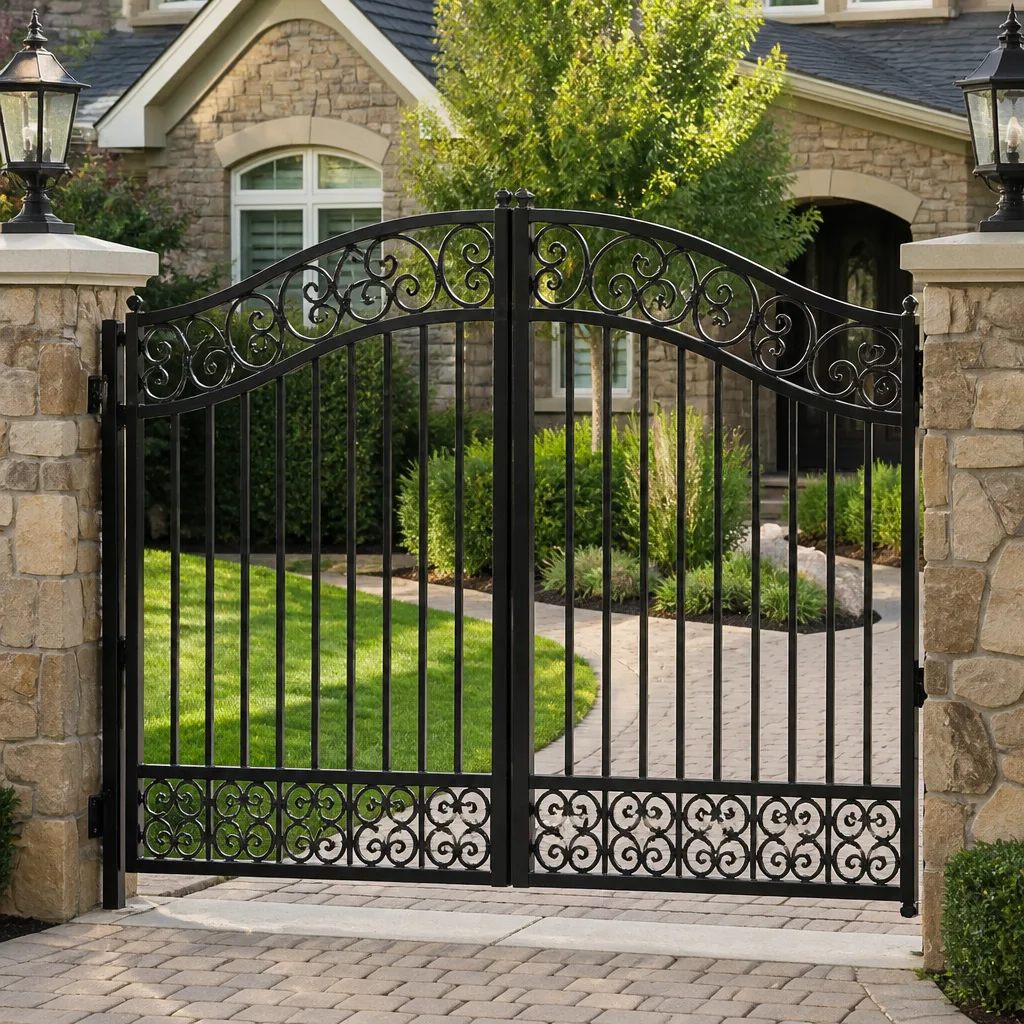 Wrought iron
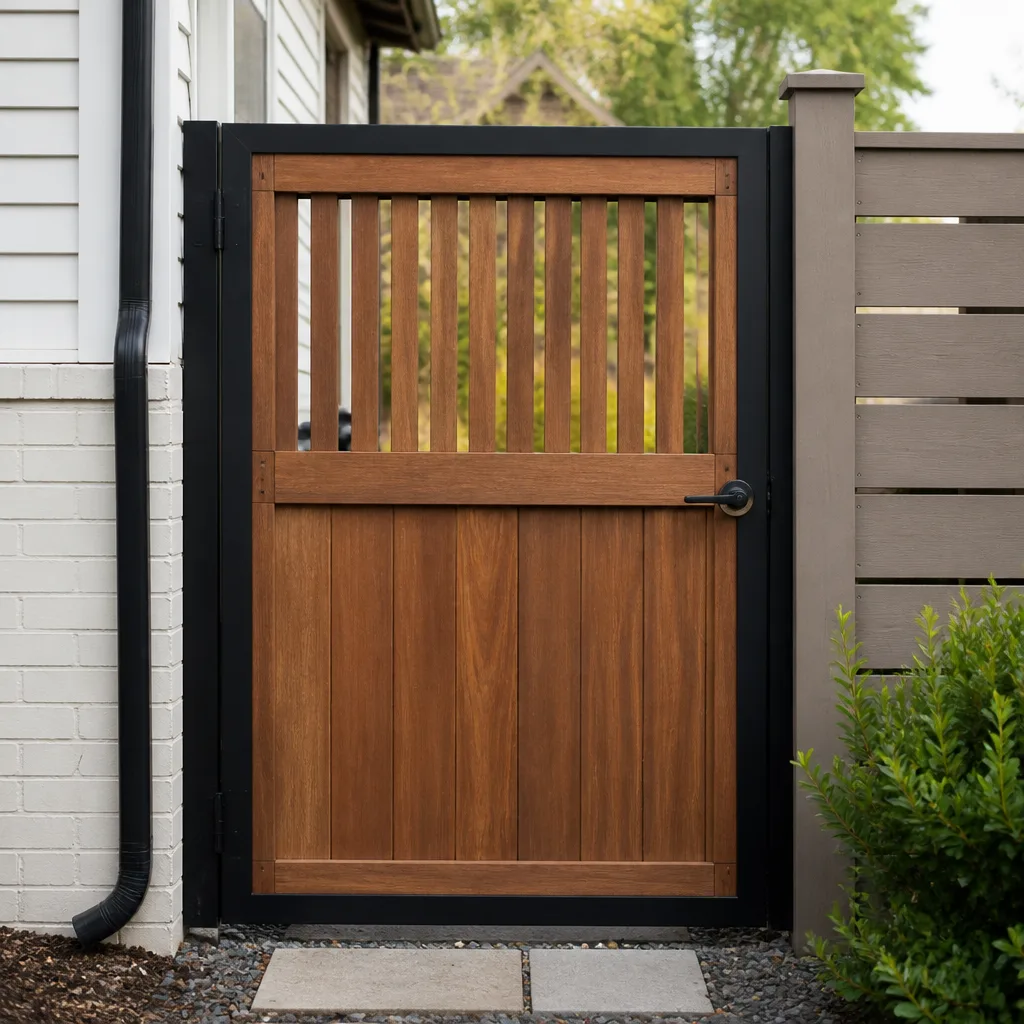 Wood & steel frame
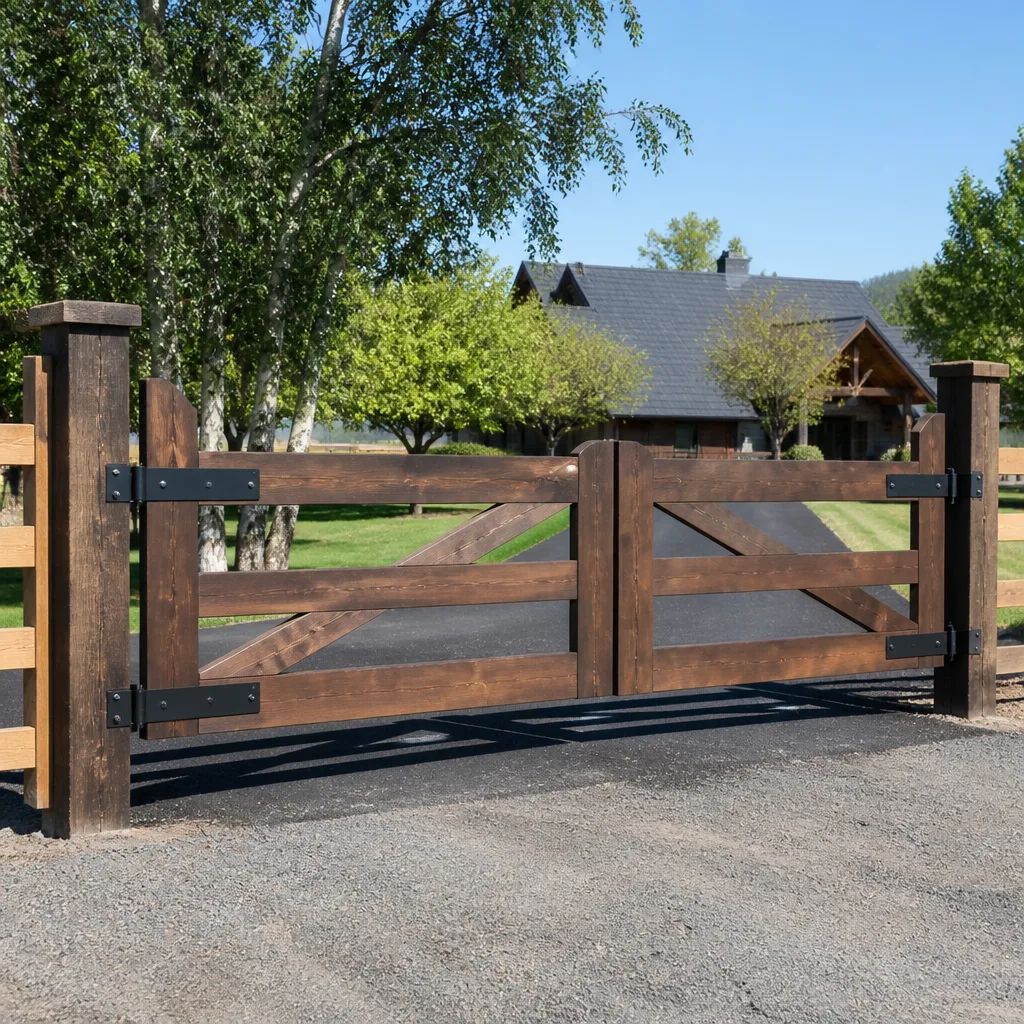 Farm & ranch
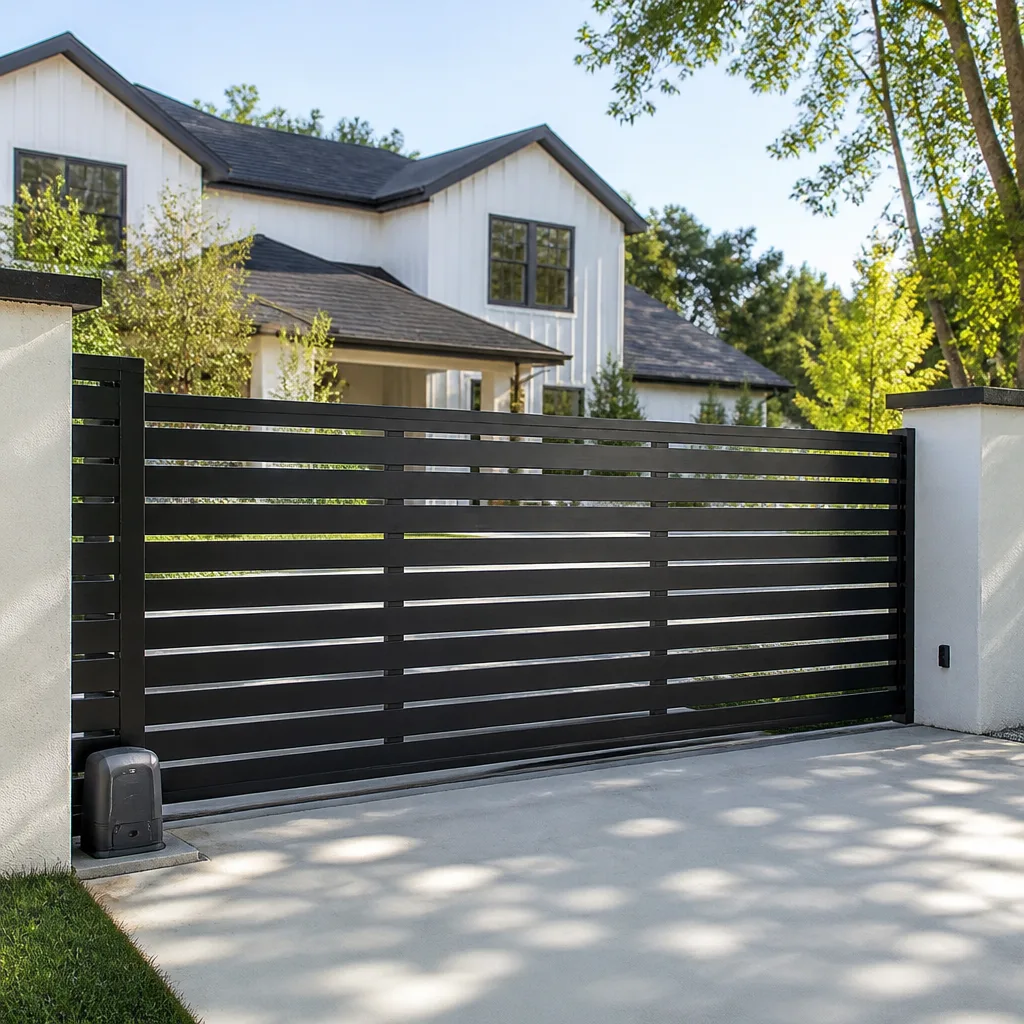 Sliding driveway gates
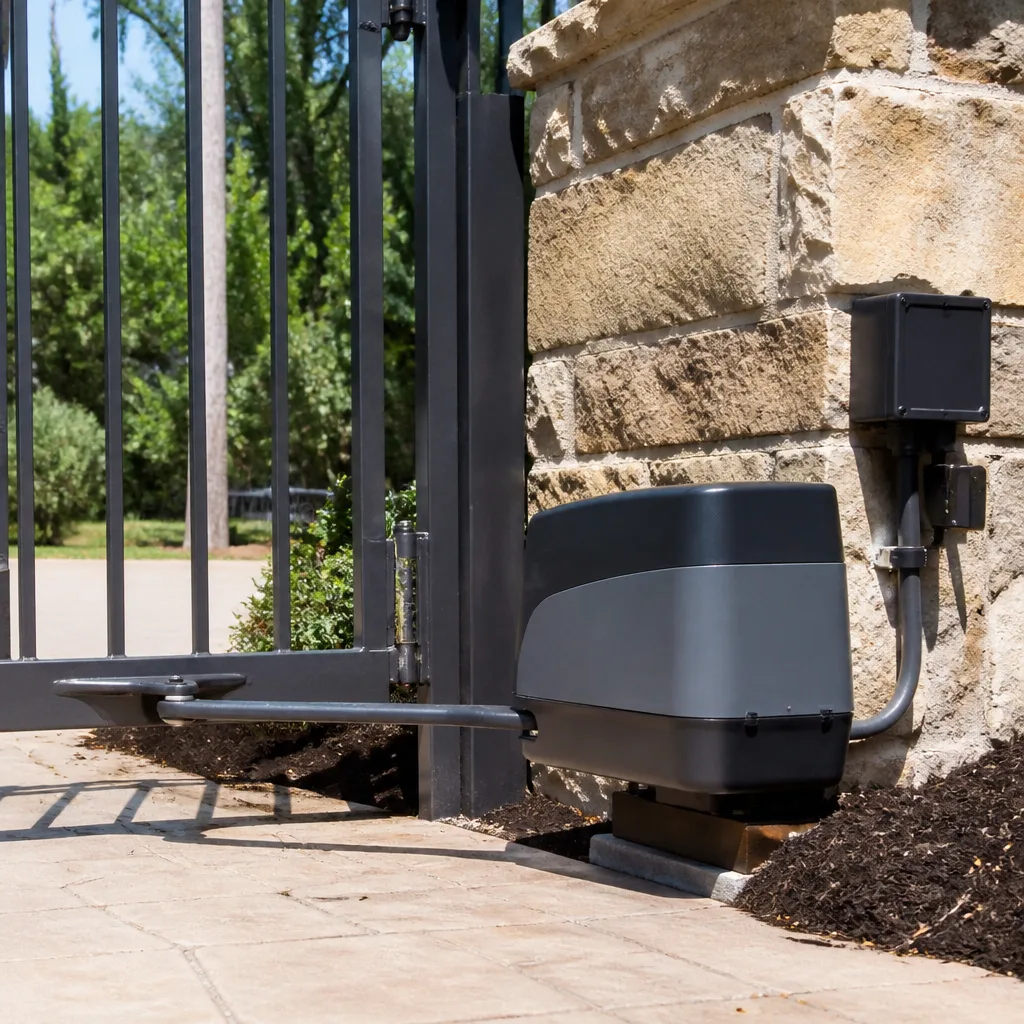 LiftMaster operators
Free on-site gate assessment - hinges, posts, and your LiftMaster or Nice gate operator checked before anything is quoted
The assessment is free and the quote is the invoice.
Get your free estimateThe Complete Guide to Gate Repair in Roseville
A gate that grinds, stutters, or simply won’t close is rarely broken in the way the owner thinks. The visible symptom is almost never where the repair starts. A gate that stops halfway often has nothing wrong with its motor; a gate that drags on the ground usually has nothing wrong with its hinges. In our experience, most gate problems in Roseville trace back to one of four root causes, and knowing which one you’re facing is the difference between a small part and a whole new operator. This guide maps every common failure to its actual fix, covers electric and manual systems, and explains the local conditions that make Roseville gates behave the way they do.
Quick Answer
Gate repair in Roseville usually starts with a diagnosis, not a part swap. The fix depends on which of four root causes is at work: mechanical wear, electrical supply, control board failure, or ground movement that has thrown the gate out of alignment. Most residential repairs are resolved in a single visit once the true cause is identified, and automated systems from brands like Linear, Viking, and DoorKing each fail in predictable, brand-specific ways that a specialist can recognize quickly.
Styles & brands we work with
- Wrought iron
- Wood & steel frame
- Farm & ranch
- Sliding driveway gates
- LiftMaster operators
Table of Contents
- The Four Root Causes Behind Almost Every Gate Problem
- The Diagnostic Order That Saves You Money
- Why Roseville’s Clay Soil Throws Swing Gates Out of Alignment
- Electric Gate Repair: Wiring, Motors, and Control Boards
- Brand-Specific Failure Patterns We See in Roseville
- HOA Gates vs. Single-Family Driveway Gates
- Repair or Replace? Reading the Signals
- What Gate Repair Costs in Roseville
- New Gate Installation: What the Process Looks Like
The Four Root Causes Behind Almost Every Gate Problem
Every gate failure we diagnose lands in one of four buckets. Identifying the bucket first is what separates a focused repair from guesswork. Here’s how each one tends to show up.
- Mechanical wear. Hinges, rollers, tracks, latches, and the gate panel itself. Symptoms include sagging, dragging, squealing, and gates that won’t latch or that swing on their own.
- Electrical supply. Dead batteries, failed transformers, tripped breakers, damaged low-voltage wire, or a power run that was never adequate for the operator. Symptoms include a gate that works intermittently, that moves slowly, or that stops after a few cycles.
- Control board and receiver problems. The logic board, receiver, remote pairing, safety edge sensors, and limit switches. Symptoms include a gate that opens but won’t close, that reverses mid-travel, or that ignores the remote entirely.
- Structural and alignment issues. Posts that have shifted, gates that no longer sit square, and tracks that have moved out of true. Symptoms include a gate that binds at one point in its travel or that needs a push to get started.
A gate that “just needs a new motor” is often a gate with a binding hinge and a tired battery. That’s why the mechanic is checked before the motor is ever touched. Treating the symptom instead of the cause is how a small repair turns expensive.
The Diagnostic Order That Saves You Money
Specialists work through a fixed sequence: mechanical first, electrical second, control board last. Skipping steps is the single most common reason a gate gets the wrong part. Here’s the order, and why it matters.
- Inspect the gate panel and hardware. Check for sag, bent hinges, worn rollers, debris in the track, and a gate that no longer hangs level. Anything binding here will overload the operator and mimic an electrical fault.
- Manually operate the gate. Disconnect the operator and push the gate by hand. If it binds, drags, or won’t travel smoothly, the problem is mechanical and no amount of motor work will fix it.
- Test the power supply. Confirm the outlet, transformer, and battery. Many “dead” operators are simply running on a failed battery or a tripped circuit.
- Test the safety devices. Photo eyes, safety edges, and loop detectors are common culprits for a gate that reverses or refuses to close. A dirty or misaligned photo eye can stop a gate cold.
- Inspect the control board and receiver. Only now do you examine the logic board, relay outputs, and remote receiver. Board-level diagnosis comes last because a board can test fine when the real fault is upstream.
- Check alignment and posts. If everything tests clean and the gate still misbehaves, the posts or track have moved. This is where Roseville’s soil comes in and where the real cause often hides.
Done in order, this sequence eliminates possibilities instead of stacking parts. Done out of order, it’s a parts-swap lottery.
Why Roseville’s Clay Soil Throws Swing Gates Out of Alignment
Roseville sits on clay-heavy ground, and clay moves with moisture. It swells when wet and shrinks when it dries, and that seasonal movement works on gate posts the same way it works on foundations. A swing gate that was perfectly aligned can drift out of square over a couple of seasons, and the owner sees a gate that “sticks” or that the operator can no longer push through its full arc.
This is a structural issue, not a hardware one. The tell is a gate that binds at the same point every time, or a post that’s visibly leaning or has pulled away from its footing. Replacing hinges won’t fix it, and a stronger motor only masks it until something fails. The real repair is resetting and re-leveling the post so it sits at the proper footing depth, then re-hanging and re-squaring the gate on that corrected anchor point.
This is one of the reasons we treat ground movement as its own category. It’s also why a gate specialist has to understand the dirt under the gate, not just the box bolted to the post. Correct footing depth matters here, and it’s the part of a gate that’s invisible once the job is finished.
If you’ve already had a “repair” that didn’t hold, alignment is the first thing to suspect. For a closer look at how we approach these structural fixes, see our gate repair page.
Electric Gate Repair: Wiring, Motors, and Control Boards
Electric and automated gates are a primary discipline for us, not an add-on. That matters because the electrical side of a gate is where a lot of generalists get stuck. Here’s what electric gate repair actually covers.
- Power and wiring. Verifying the supply, inspecting low-voltage runs, repairing damaged wire, and confirming that the power run is adequate for the operator.
- Motor assemblies. Diagnosing a motor that’s weak, noisy, or seized, and determining whether it’s the motor, the gearbox, or the load it’s fighting.
- Control boards. Testing relay logic, limit programming, and the logic board’s behavior. Brand-specific boards have different diagnostic paths, which is why knowing the make matters.
- Receivers and remotes. Pairing remotes, replacing receivers, and resolving interference and range issues.
- Safety devices. Photo eyes, safety edges, and loop detectors, which must work correctly for the gate to close reliably and safely.
Before any of this is touched, we flag the same safety point every time: a gate operator combines line-voltage power with a heavy moving panel. The wiring and the crushing force of the gate are not a do-it-yourself project. A trained technician should handle live electrical work and safety-device calibration. Our electric gate repair team treats this as routine, which means we diagnose it by brand-specific logic rather than trial and error.
Brand-Specific Failure Patterns We See in Roseville
We work on your brand. That’s not a slogan; it’s how diagnosis actually happens, because operators from different manufacturers fail in consistent, recognizable patterns. We’re experienced with the equipment from nine major manufacturers, including Linear, Viking, and DoorKing, and each one teaches us something different about how to trace a fault.
- Linear operators are common on residential driveways around Roseville, and we often see travel-limit drift and receiver issues after the gate’s alignment has shifted. The operator is usually blamed first when the gate is the real problem.
- Viking operators show up frequently, and their limit switches and control logic respond to a binding gate by overworking the motor. A slow or stubborn Viking gate often means the hardware needs attention, not the operator.
- DoorKing systems appear on larger and gated-community installations, where loop detectors, telephone entry, and access control integrate with the operator. Faults there tend to live in the access layer as much as the gate itself.
The point isn’t to guess the brand from the symptom but to know the brand’s failure patterns so the diagnosis is fast. A brand-agnostic approach means we work with whatever system you already have and aim for the right fix for that system, not the fix that’s convenient for us.
Trying to trace an electrical fault by trial and error is frustrating and expensive. That’s when it’s worth calling in Gate Repair Roseville to run the diagnostic hierarchy properly.
HOA Gates vs. Single-Family Driveway Gates
Roseville’s master-planned communities run a lot of shared HOA gates, and they behave differently from a single-family driveway gate. The repair approach changes with the ownership model, the traffic volume, and the way access is controlled.
A single-family driveway gate serves one household. It cycles a handful of times a day, the owner controls access, and the repair usually centers on one operator and one remote system. An HOA gate serves a whole community. It cycles constantly, it often ties into access control and telephone entry, and a failure becomes a community-wide problem the moment it happens. That changes the priority order: uptime matters more, and safety devices get far more wear.
HOA systems also tend to sit on shared infrastructure, which means a repair has to account for who’s responsible for what. When an HOA gate faults, we look at the access layer first, then the operator, then the gate itself, in that order. That structure is part of why Roseville property managers work with a gate specialist rather than a generalist. The same logic applies across the wider Roseville area’s gated communities, where loops, receivers, and operators all have to work together.
Repair or Replace? Reading the Signals
Owners often assume a broken gate means a new gate. Most of the time it doesn’t. The question is whether the failure is in a replaceable component or in the structure, and the answer decides the path.
- Repair is usually the right call when: the gate panel and posts are sound, the fault is mechanical or electrical, and the operator is a supported brand with serviceable parts. A worn hinge, a failed battery, a dead receiver, or a binding roller are all repair jobs.
- Replacement starts making sense when: the operator is obsolete and parts are no longer available, the gate panel is structurally failing, or the posts have moved so far that re-anchoring won’t hold. Even then, replacing the operator alone is often cheaper than replacing the whole gate.
- Permit considerations matter here. Some replacements, particularly when electrical work or structural changes are involved, can cross into permit territory. Most cities require a permit for structural work on a gate and its posts, and California’s Title 24 building energy standards can affect electrical work on automated gates. We don’t quote code from memory; we tell you to confirm the scope with the city’s building department before work starts.
The honest answer to “repair or replace” is usually “repair, unless the fix can’t hold.” We’d rather tell you that than sell you a gate you don’t need.
What Gate Repair Costs in Roseville
Gate repair pricing in Roseville depends on what’s actually wrong, which is why the quote comes after the diagnosis, not before it. Here’s the honest shape of it, so you know what to expect. The estimate is free, and the written estimate sets the final price before any work begins.
- Mechanical fixes like hinges, rollers, latches, and track adjustments are at the lower end of the range and are often handled in a single visit.
- Electrical and control work like receivers, wiring, photo eyes, and board-level diagnosis falls in the middle, and the price depends on access and parts availability.
- Operator replacement and structural work like post resetting or a full operator swap sit at the higher end, because the job involves measurement, ordering, and sometimes permits.
We don’t publish fixed prices because a gate repair quoted without a diagnosis is a guess, and guesses are how invoices surprise people. What we do promise is that the price is quoted and agreed before work starts. If the diagnosis finds something that changes the scope, you hear about it before we proceed. For a written estimate, call (855) 431-0356 – estimates are free.
New Gate Installation: What the Process Looks Like
New gate installation is measured, ordered, and scheduled. It’s not a same-day repair, and it shouldn’t be presented as one. Here’s the sequence a proper installation follows.
- On-site measure and consult. We assess the opening, the ground, the driveway grade, and the power situation, then talk through swing versus slide and manual versus automated.
- Written estimate. The quote covers the gate, the operator if automated, and the installation labor, with the scope spelled out before anything is ordered.
- Permit check. You confirm with the city’s building department what the installation requires. Electrical and structural work are the elements most likely to need a permit.
- Ordering. The gate and operator are ordered to spec. Lead times vary by brand and configuration.
- Installation. Posts go in at proper footing depth, the gate is hung and squared, and the operator is mounted and wired. Safety devices are installed and calibrated before the system is handed over.
From first call to finished gate is one company, because installation and repair are the same trade for us. If you’re planning a new gate in Roseville, start with a free measure and a written price, not a phone estimate.
Common Mistakes to Avoid
- Replacing the motor when the gate is binding. A binding gate overloads a healthy operator and mimics a motor failure. Check the mechanics first or you’ll pay for a motor that was never the problem.
- Ignoring the posts. Roseville’s clay soil moves, and a leaning or shifted post is the root cause more often than owners expect. Filing the symptom away as “just the gate” lets the structural issue get worse.
- Skipping the safety devices. A gate that won’t close is often a misaligned photo eye. Bypassing the safety device to force it closed is a hazard, not a fix.
- Buying the cheapest mail-order operator. Brand matters less than matching the operator to the gate’s weight, travel, and power, and to serviceable parts if it fails later.
- Assuming a repair avoids a permit. Structural and electrical work can require one. Confirm the scope with the city’s building department before work starts, not after.
- Treating an HOA gate like a home gate. Shared gates cycle far more and often tie into access control. The diagnostic order is different, and uptime matters more.
- Letting one small fault run into several. A dragging gate wears hinges, stresses the operator, and wears the battery. Fixing it early keeps it small.
See the difference
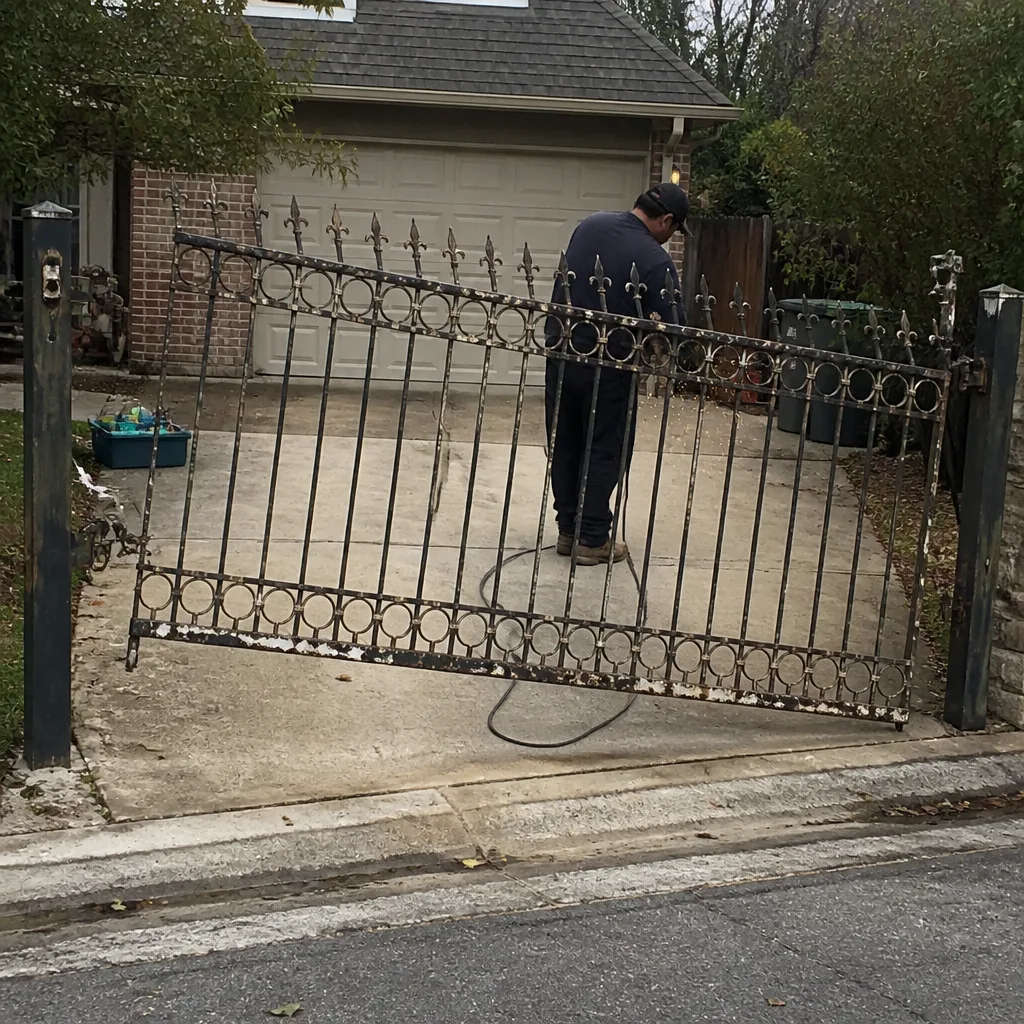 Before
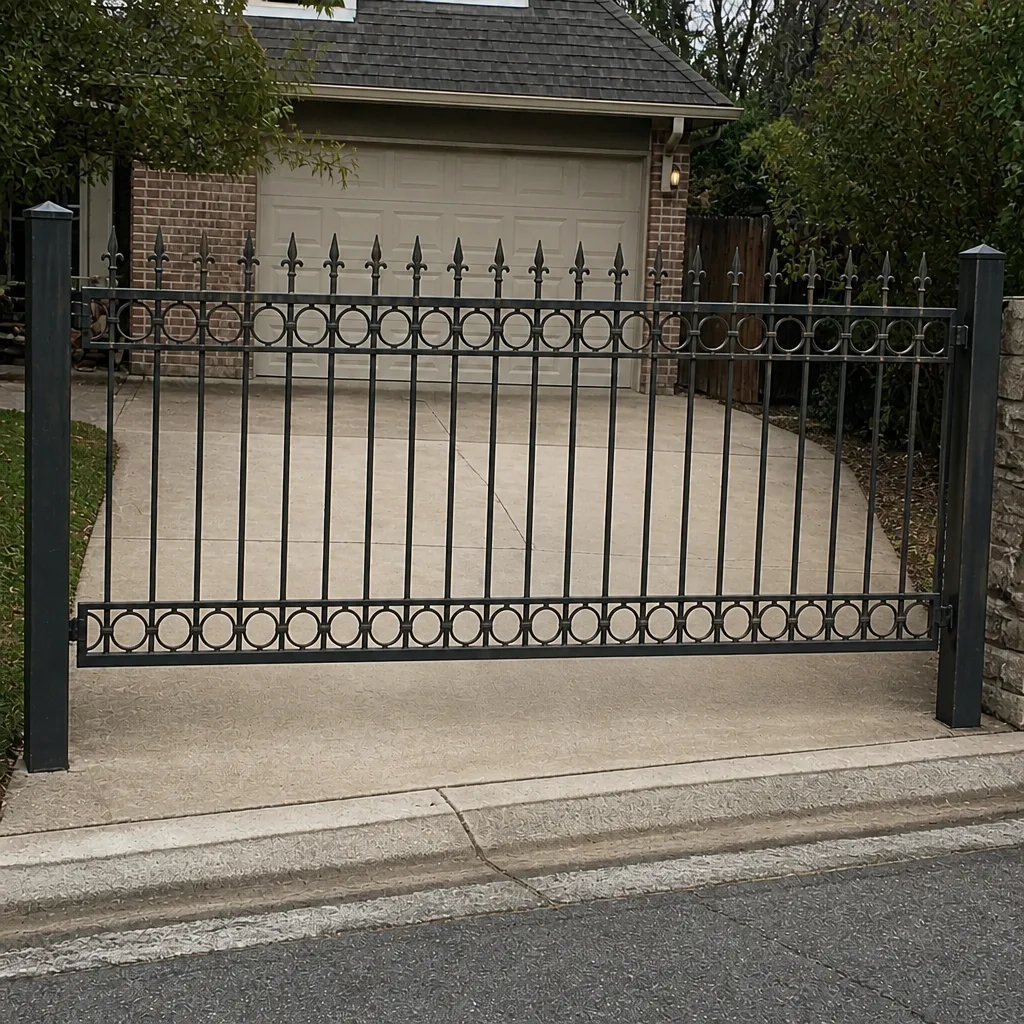 After
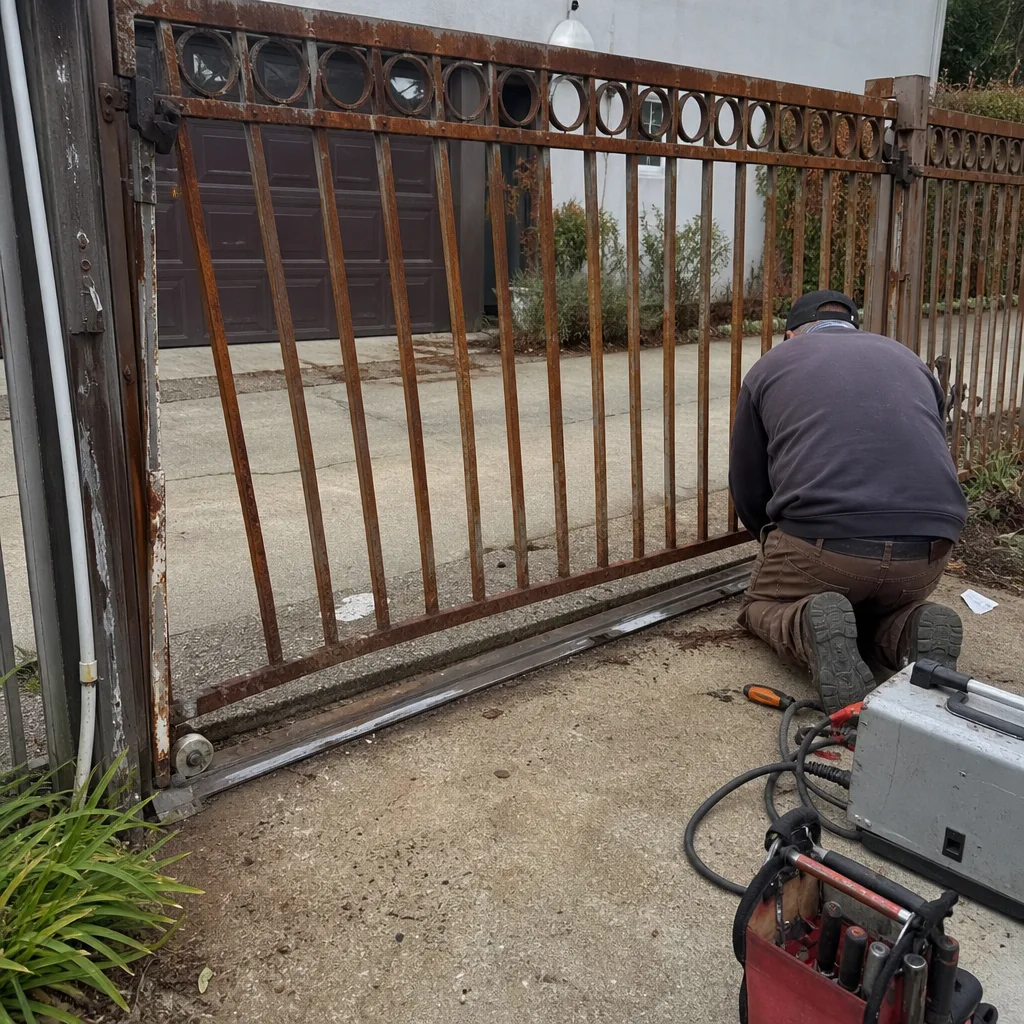 Before
 After
 Before
 After
When to Call a Professional
Some gate problems are safe to watch and some aren’t. Call a professional when the gate reverses or closes at random, when it binds or needs a push, when a witness post has shifted, when an operator won’t respond to any remote, or when you notice visible damage to wiring or a post. Live electrical work and safety-device calibration on an automated gate aren’t a do-it-yourself project, and the moving panel can crush. For a manual gate, sagging hinges, dragging panels, and latches that no longer line up are worth a look before they get worse. Gate Repair Roseville offers free estimates in Roseville; call (855) 431-0356. We answer 24/7, and fast dispatch runs from 7am to 7pm, Sunday through Friday.
Frequently Asked Questions
It depends on the actual cause, which is why a written estimate follows the diagnosis. Mechanical fixes are at the low end, electrical and control work is in the middle, and operator replacement or structural work is at the high end. The estimate is free and the price is agreed before work begins. Call (855) 431-0356 for an exact quote – estimates are free.
Same-day service is often possible for repair and emergency calls. Call (855) 431-0356 and we’ll dispatch a technician as soon as one is available. We answer 24/7, with fast dispatch from 7am to 7pm, Sunday through Friday. A call outside dispatch hours is booked into the next opening.
Yes. Electric and automated gates are a primary discipline for us, alongside manual swing and slide gates. We diagnose the mechanics, the power, the safety devices, and the control board in the right order regardless of system type.
We’re experienced with equipment from nine major manufacturers, including Linear, Viking, Ghost Controls, and DoorKing. We’re independent, so we work with the system you already have rather than steering you toward a particular brand. If we don’t recognize the equipment, we’ll tell you.
Roseville’s clay-heavy soil swells and shrinks with moisture, and that movement shifts gate posts over time. A gate that binds at the same point or a post that’s visibly leaning usually needs the post reset at proper footing depth rather than new hardware.
It depends on the scope. Structural work on a gate and its posts, and some electrical work on automated gates, can require a permit, and California’s Title 24 standards can affect electrical work. Confirm the specifics with the city’s building department before work starts.
The Bottom Line
Most gate problems in Roseville come down to four root causes: mechanical wear, electrical supply, control board failure, or ground movement that has thrown the gate out of alignment. The visible symptom is rarely where the repair starts, which is why the diagnostic order matters: mechanical first, electrical second, control board last. Knowing which cause you’re facing is the difference between a small part and a full operator replacement. We work on your brand across the major systems, treat electric gates as a core specialty, and quote the price before work begins. That’s what a gate specialist does.
If your gate has stopped behaving the way it should, don’t guess at the cause. Call (855) 431-0356 for a free estimate. We answer 24/7, with fast dispatch from 7am to 7pm, Sunday through Friday. We’ll diagnose the real problem, explain your options in plain terms, and give you a written price before anything starts.
Written by the team at Gate Repair Roseville.