
Last updated November 15, 2026
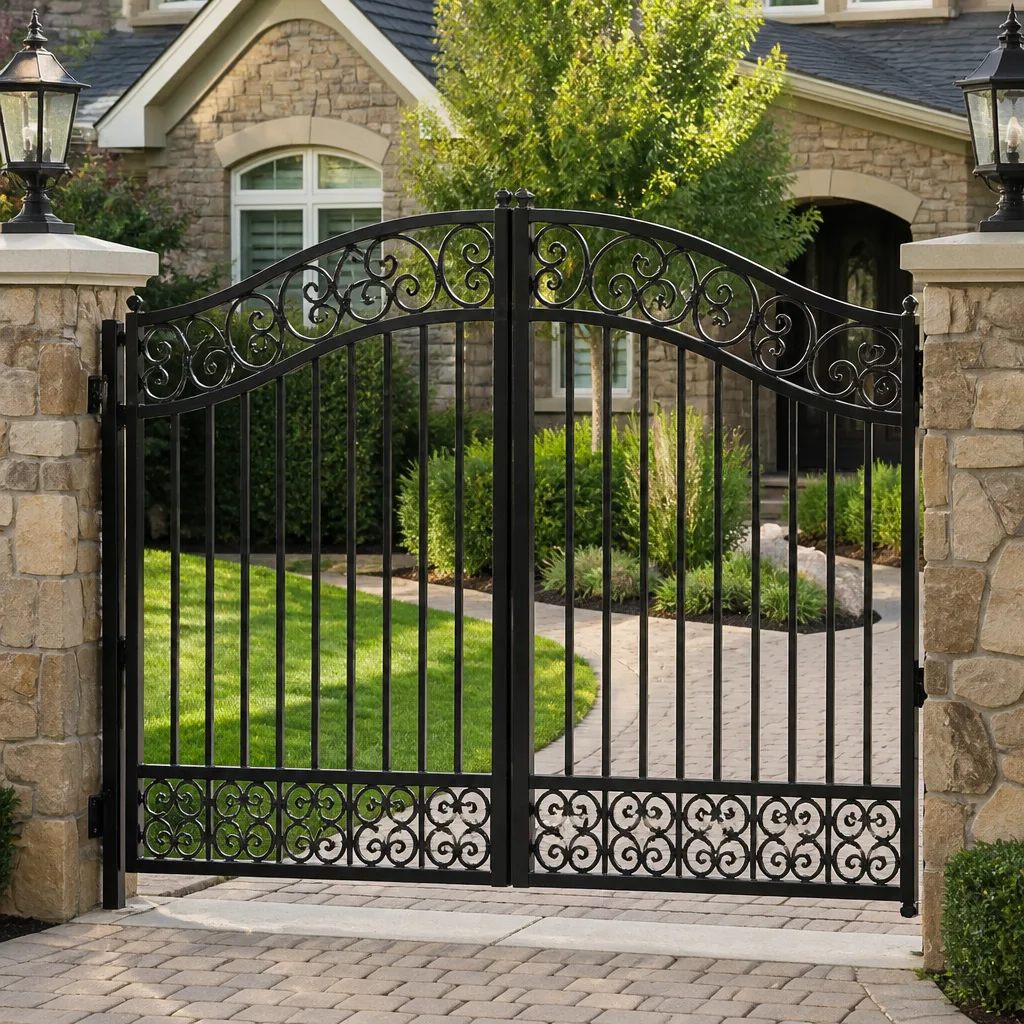 Wrought iron
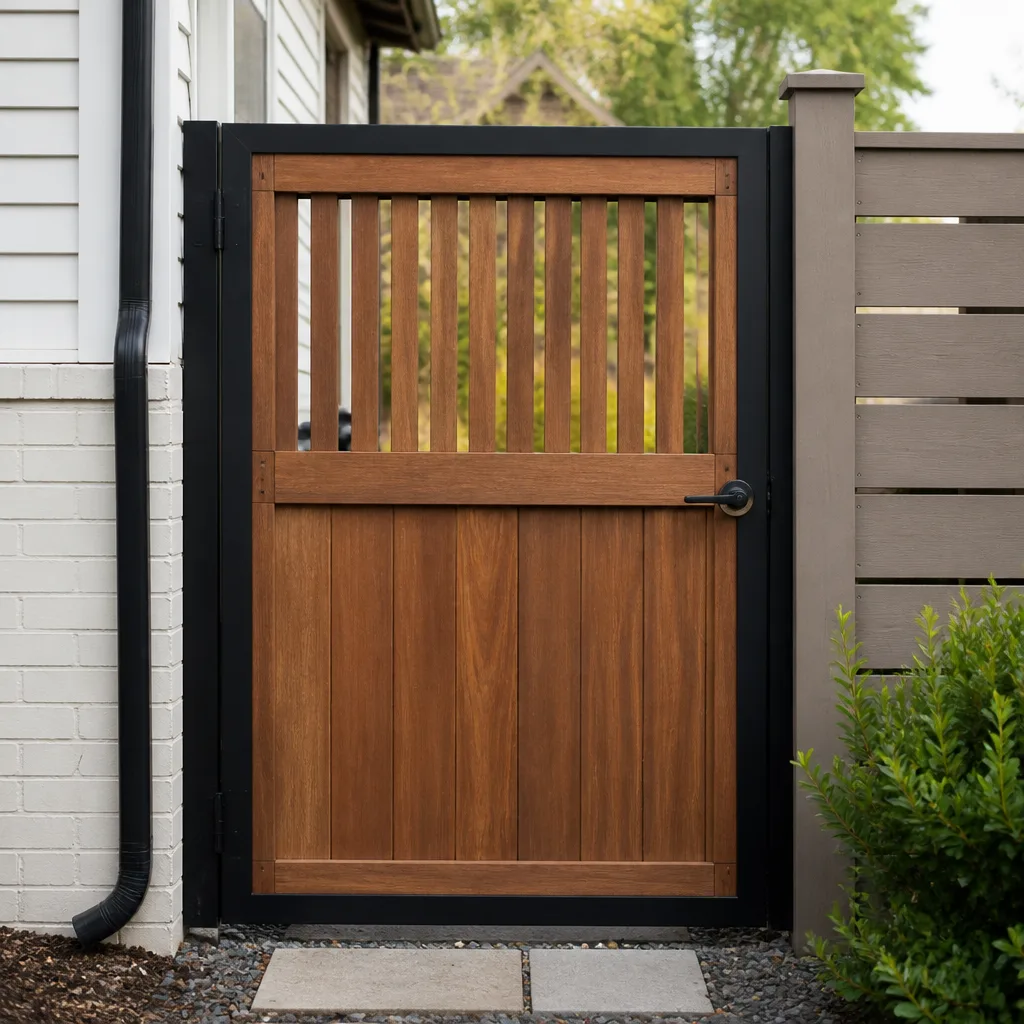 Wood & steel frame
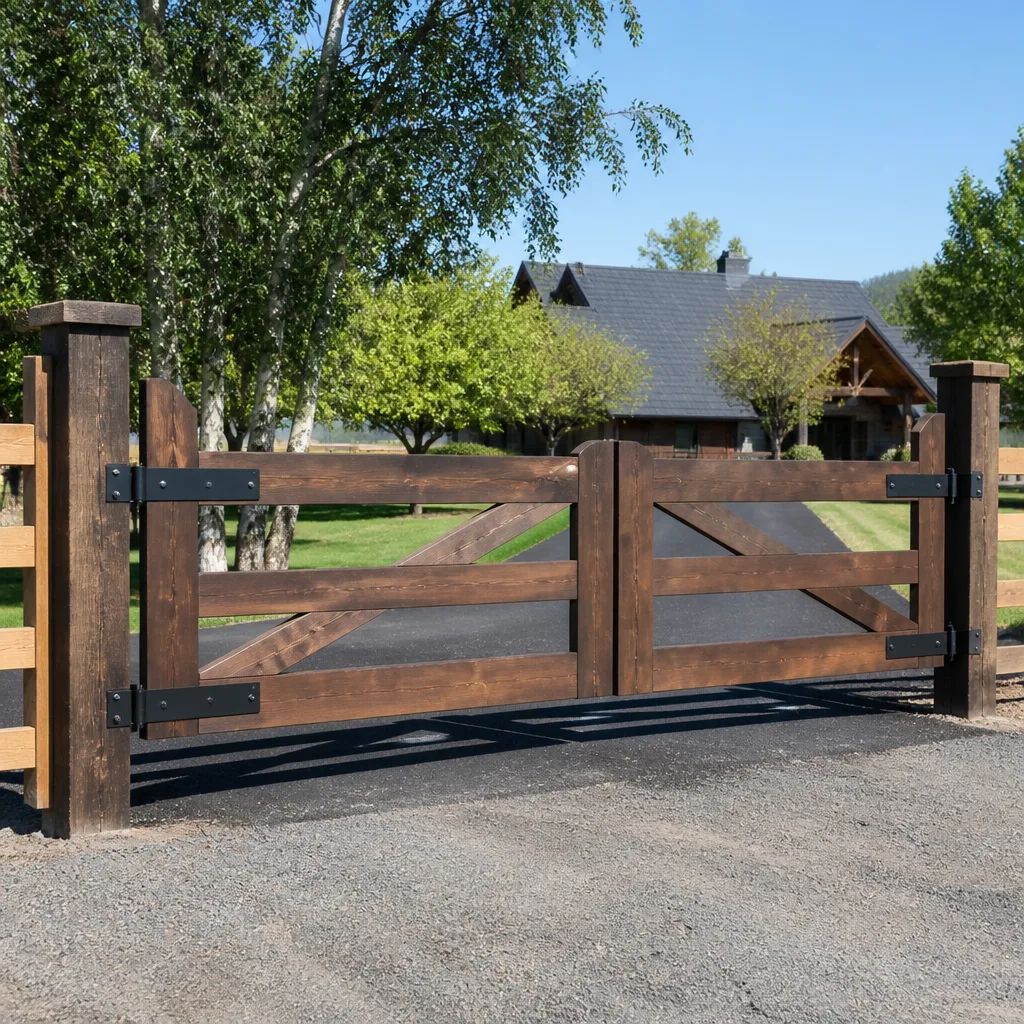 Farm & ranch
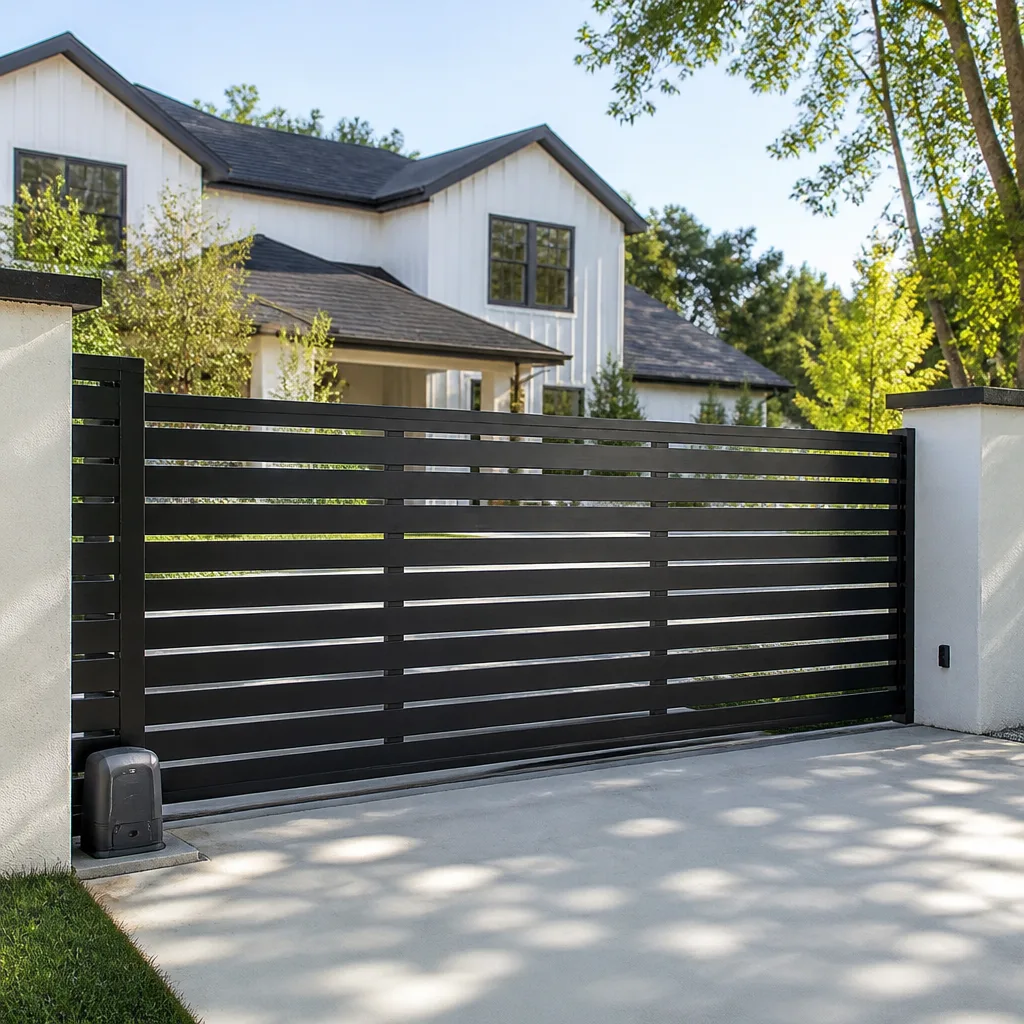 Sliding driveway gates
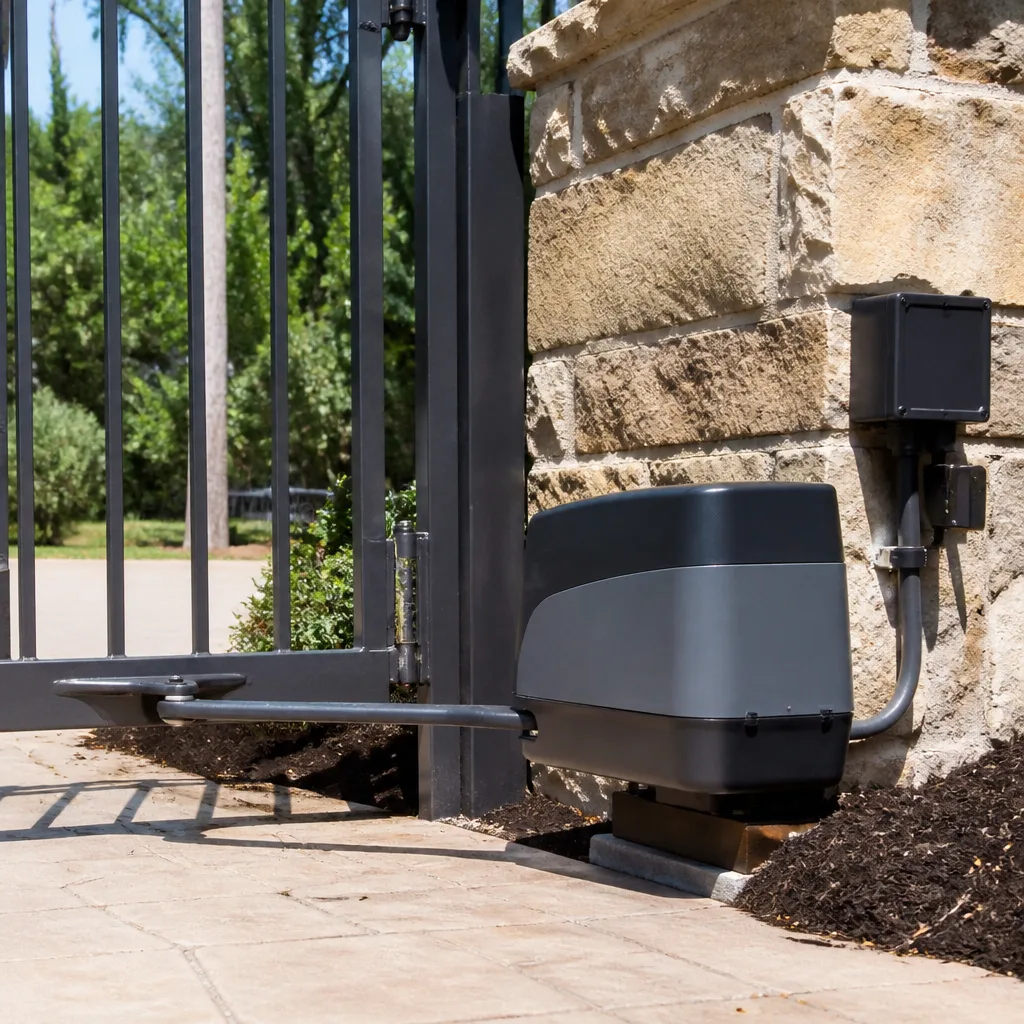 LiftMaster operators
Free on-site gate assessment - hinges, posts, and your LiftMaster or Nice gate operator checked before anything is quoted
The assessment is free and the quote is the invoice.
Get your free estimateGate Repair Permits, Codes & Inspections in Roseville, CA: What You Need to Know
If a gate technician tells you an operator swap never needs a permit in California, ask them to put that in writing. Because under certain conditions, it absolutely does, and the homeowner carries the legal exposure. The line between a repair and an alteration is where most Roseville gate projects get into trouble, and it’s a line that few contractors explain clearly before the work begins. This guide walks through the California Building Code threshold that triggers a permit, what UL 325 entrapment protection actually requires, how the City of Roseville handles gate permits compared with Sacramento and unincorporated Placer County, why HOA architectural review often has to happen before the city ever sees your paperwork, and what happens when unpermitted work surfaces during a home sale. Bring this to your next contractor conversation.
Quick Answer
In Roseville, routine gate repair generally does not require a permit, but replacing a gate operator, changing the type of operator, altering a gate’s structural supports, or running new electrical circuits to the gate usually does. Any new or substantially altered automated gate must also meet UL 325 entrapment protection standards at the time of the work. The City of Roseville’s building department makes the final call, so confirm the scope before work starts, and if you’re in an HOA, get architectural approval first.
Styles & brands we work with
- Wrought iron
- Wood & steel frame
- Farm & ranch
- Sliding driveway gates
- LiftMaster operators
Table of Contents
- Where repair ends and alteration begins under California code
- UL 325 entrapment protection: what it requires and when an upgrade is triggered
- How Roseville handles gate permits differently from Sacramento and Placer County
- HOA architectural review versus city permit: which comes first
- What happens when unpermitted gate work is discovered at sale
- What an inspection actually checks on an automated gate
- Step-by-step: how to pull a gate permit in Roseville
- Common mistakes to avoid
Where Repair Ends and Alteration Begins Under California Code
California Building Code treats a repair differently from an alteration, and that distinction is the hinge on which permit requirements swing. A repair restores something to its original working condition without changing its type, size or structural character. An alteration changes the system in a way that affects structural, electrical or life-safety performance. Gate operators sit right at that boundary, which is why the answer to “do I need a permit” is genuinely situational rather than a blanket yes or no.
Here’s how the distinction usually plays out on gate work in Roseville:
- Likely no permit: replacing a hinge, adjusting a strike, swapping a remote receiver, replacing a battery backup, lubricating and re-aligning a slide track, replacing a photo-eye sensor with a like-for-like unit, changing a control board on an existing operator.
- Usually needs a permit: installing a new operator where none existed, replacing a swing operator with a slide operator, increasing the opening width or the gate leaf size, adding structural posts, running a new dedicated electrical circuit to the gate, or altering the gate’s mounting brackets in a way that changes how the panels bear load.
- Needs a permit and often plan review: a new automated vehicle gate on a commercial or multifamily property, a gate that changes the site’s access design, or any alteration that touches the electrical service.
The practical rule: if the electrical or structural character of the system is changing, assume a permit. If you’re restoring a failed part, ask the city to confirm before you assume it’s exempt. For a same-system part swap we’re working inside that repair scope, and we’re always clear about which side of the line your job falls on because we don’t want a homeowner surprised at closing. Our gate repair work is where most of these judgment calls happen.
UL 325 Entrapment Protection: What It Requires and When an Upgrade Is Triggered
UL 325 is the safety standard for automated gate operators, and it exists to prevent one specific hazard: a person or vehicle being caught by a moving gate. It requires an operator to have some form of entrapment protection that can detect an obstruction and reverse or stop the gate. On a residential driveway gate, that’s typically a photo-eye (photoelectric sensor) pair plus a monitored sensing edge, depending on the operator type. On commercial and HOA installations, the requirements get more specific and the equipment has to be installed and wired to actually function, not just to look present.
Two things surprise homeowners in Roseville. First, older systems that were legal when installed can become non-compliant after an operator replacement or a gate re-hang, because the safety equipment has to be brought up to current standards at that moment. Second, the entrapment protection has to be monitored by the operator’s control board. A sensor that is wired in but not monitored can fail closed and still pass a visual check, which is exactly the kind of issue an inspector will catch during a permit inspection.
Which installations are grandfathered? In practice, a manual gate, or an automated gate that has not been altered and whose operator is still working as originally installed, isn’t required to be upgraded simply because it’s old. What triggers the upgrade requirement is the scope of work: replacing the operator, changing the operator type, altering the gate geometry, or a change of use. When we replace a FAAC or BFT operator on an existing Roseville slide gate, we plan for the safety edge and photo-eye work in the same scope, because the safety standard follows the operator change. Our electric gate repair technicians treat UL 325 compliance as part of the repair, not a separate add-on.
How Roseville Handles Gate Permits Differently from Sacramento and Placer County
This is where most out-of-area contractors give bad advice. Permit processes vary by jurisdiction, and the rules that apply in the City of Sacramento do not automatically apply in Roseville, and neither applies in unincorporated Placer County. A gate installer who mostly works in Sacramento may be genuinely surprised by how Roseville’s process treats a residential operator change.
The key differences to understand:
- Jurisdiction boundaries matter. Roseville city limits and unincorporated Placer County have separate building departments. A property with a Roseville mailing address but Placer County jurisdiction follows county rules, not city rules. Check which department has authority before filing anything.
- Commercial and HOA gates get more scrutiny. For a commercial or multifamily automated gate, expect submittal requirements around the operator’s listing and the entrapment protection plan. Sacramento has its own submittal nuances, and Placer County has been known to ask for the specific operator data sheet before issuing.
- Electrical is a separate permit in most cases. If a new circuit is being run to the gate, that’s typically an electrical permit pulled by a licensed electrician, distinct from the building permit for the gate itself. We coordinate with licensed electricians on the power run, and we’re clear about the boundary between the electrical scope and the gate scope.
- Inspection scheduling is jurisdiction-specific. Roseville inspections are scheduled through the city’s building portal, and the timing depends on their workload, so build in a buffer if your gate needs to be operational for a specific date.
When in doubt, call the Roseville building department and describe the exact scope. “Replacing a swing operator with the same model on the same gate” is a different question than “installing a new slide operator and running a new circuit.” If you ask the vague version, you’ll get the vague answer. If you ask which side of the repair/alteration line your job is on, a gate specialist who works in Roseville regularly can help you frame the question correctly. That’s part of what we do before we ever quote a job, because a permit surprise later is worse than a permit question now.
HOA Architectural Review Versus City Permit: Which Comes First
The order is almost always HOA first, city second. Most Roseville HOA covenants and CC&Rs require architectural approval before any exterior alteration, and a gate is an exterior alteration. The city permit process typically asks whether the work has HOA approval if the property is in an association, and a permit issued without that approval can become a compliance problem later even if the work itself is sound.
The reason for that order is practical. The HOA reviews design, finish, height, setback and sometimes visibility or sight-line concerns. The city reviews structural, electrical and life-safety compliance. If you get the city permit first and the HOA later wants a different gate style, you may end up needing to revise the permit or redo the work. That’s a costly sequence to get reversed.
Our recommended sequence for a Roseville HOA gate project:
- Confirm the property’s jurisdiction (City of Roseville or unincorporated Placer County) and identify the applicable building department.
- Submit the project to the HOA architectural committee with the gate design, material, operator model and entrapment protection plan.
- Get written HOA approval, including any conditions (color, style, height, gate type).
- Apply for the city or county permit with the approved design in hand.
- Schedule inspections per the permit timeline before final closeout.
If you’re a property manager or HOA board, keep the approval letter with the permit paperwork. It saves a call later.
What Happens When Unpermitted Gate Work Is Discovered at Sale
California buyers and their agents have become much more thorough about permit history in the last decade, and a gate operator install that never went through the city can turn into a closing problem. This is not a hypothetical risk. We’ve seen it come up repeatedly in our Roseville work when a homeowner is prepping to sell and realizes the operator was installed without a permit years earlier.
The typical sequence:
- Discovery: during the buyer’s inspection or the seller’s disclosure, the presence of a newer operator without a corresponding permit record becomes visible. Title searches don’t always catch it, but a diligent inspector or a disclosure form does.
- Negotiation: the buyer asks for a credit, a price reduction, or a repair. Sometimes the buyer’s lender requires the issue resolved before funding.
- Remediation: the seller has to permit the existing installation retroactively or bring it into compliance. That typically means a current-code review, which can trigger a UL 325 upgrade you weren’t planning to do.
- Delay: permit and inspection timelines can push a close of escrow, and the seller is negotiating from a weaker position once the issue is disclosed.
The cleanest path is to permit the work correctly when it’s done, not when it’s discovered. If you’ve already got an unpermitted gate, the fix is to work with a gate specialist who can assess what’s compliant, what needs to change, and what a permit application should include before you call the building department. Bringing an older installation into compliance is sometimes a small job and sometimes a bigger one, but it’s always easier to plan than to inherit during a home sale. If your property is in one of the newer Roseville developments where gates were installed at buildout, pull the original permit history before you replace anything.
What an Inspection Actually Checks on an Automated Gate
An inspection on an automated gate is not a general once-over. It’s a targeted check of the life-safety systems and the structural and electrical elements that affect them. Here’s the short version of what a Roseville inspection on an automated gate typically examines:
- Operator listing and installation: the operator is a listed device and is installed per its listing and manufacturer instructions, suited to the gate’s weight, length and cycle count.
- Entrapment protection: photo-eyes and sensing edges are present, properly placed, wired, and monitored by the operator’s control board. Tested, not just visible.
- Detection zones: the photo-eye beam covers the sweep of the gate so a person or small object is detected before contact.
- Manual release: the operator can be manually disengaged in the event of power failure or obstruction, and the release mechanism is accessible.
- Electrical: the power run is properly protected, the disconnect is accessible, junction boxes and conduit are sealed and weather-rated for outdoor use.
- Gate structure: posts and hinges support the load, the gate doesn’t sag into the ground or drift on its track, and the gate travels smoothly without binding.
- Warning signage: required warning placards are present and legible.
- Track and rollers (slide gates): rollers are in good condition and the track doesn’t have a trip hazard or misalignment.
Most failures we see in our Roseville inspections come back to entrapment protection that isn’t monitored, or an operator that was installed on a gate heavier than it was rated for. Both are fixable, but both should be addressed during the work rather than discovered by the inspector. Our technicians have up to 15 years of experience with these systems, and we run our own checks against the same criteria before we ever schedule a final inspection.
Step-by-Step: How to Pull a Gate Permit in Roseville
If your project qualifies as an alteration, here’s the process we walk Roseville homeowners and managers through. The exact paperwork can shift based on scope and jurisdiction, but the sequence is consistent.
- Define the scope in writing. Note whether this is an operator replacement, gate re-hang, new gate, or electrical alteration. Specify the operator model and the entrapment protection plan. This becomes the basis for the permit application.
- Confirm the jurisdiction. City of Roseville vs. unincorporated Placer County. This determines which building department and which portal or counter you use.
- Get HOA approval if applicable. Written approval from the architectural committee, including any design conditions.
- Submit the permit application. Include the operator data sheet, the site plan showing the gate location and clearances, the entrapment protection details, and HOA approval if applicable.
- Pull the electrical sub-permit if needed. A licensed electrician on your side of the contract handles the dedicated circuit run and its permit.
- Complete the work to the permit scope. No substitutions on operator model or safety equipment without an approved revision.
- Schedule inspections. Rough electrical if applicable, then final.
- Keep the final inspection record. File it with your home records. It’s the document that saves you a problem at sale.
One practical note on timing: if your gate needs to be operational for a specific date (a move-in, a school year, an event), tell your gate specialist early. The permit and inspection process has scheduling dependencies, and a clearly scoped application moves faster than an amended one. For routine repair on an existing compliant system, we don’t need the city involved. For a full replacement or a new install, we build the permit step into the schedule so nothing gets backed into a corner. Learn more about our coverage across Roseville.
Common Mistakes to Avoid
- Assuming an operator swap never needs a permit. The California Building Code alteration threshold applies based on what the swap changes, not just on the fact that a new part went in. An operator replacement that changes the gate’s entrapment protection requirements can trigger the permit requirement.
- Getting the city permit before the HOA approval. The city will ask for HOA approval if the property is in an association. Reversing that order often means revising the permit, and in some cases redoing the gate to match what the HOA approves.
- Skipping the UL 325 upgrade when the operator changes. A new operator on an old gate with unmonitored photo-eyes is a safety gap and an inspection failure. Build the safety work into the scope from the start.
- Assuming the Sacramento permit process applies in Roseville. Roseville and Sacramento have different building departments and different submittal expectations. Advice from a contractor who mostly works in Sacramento can steer you wrong.
- Pulling an electrical permit for the gate itself and missing the dedicated circuit. Running a new circuit to the gate is typically a separate electrical permit pulled by a licensed electrician. The gate permit doesn’t substitute for it.
- Never filing the final inspection. If you complete the work and skip the final inspection, you’re carrying the same exposure as if you never permitted the job. The paper record is the point.
- Ignoring the original permit history when replacing a gate in a newer Roseville community. Pull the original record. It tells you what the developer permitted and what standards you’re inheriting.
See the difference
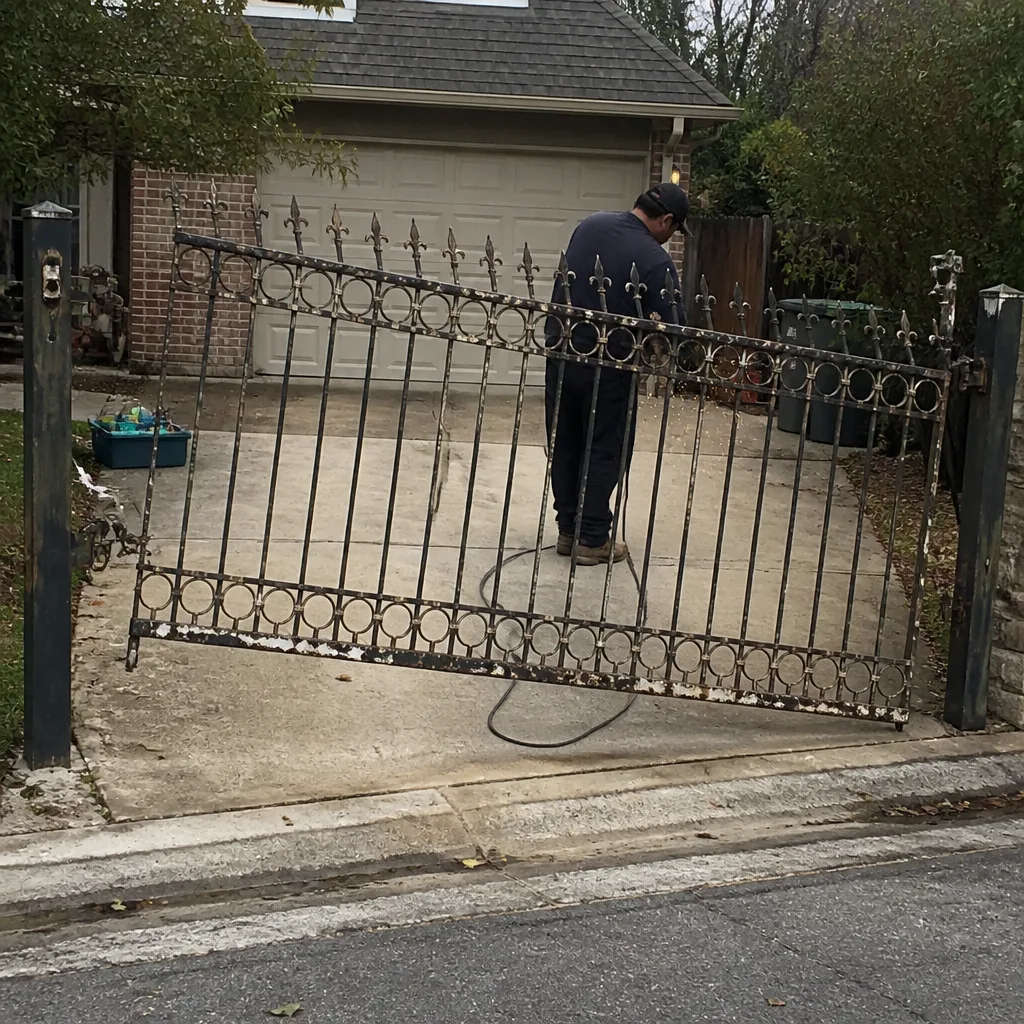 Before
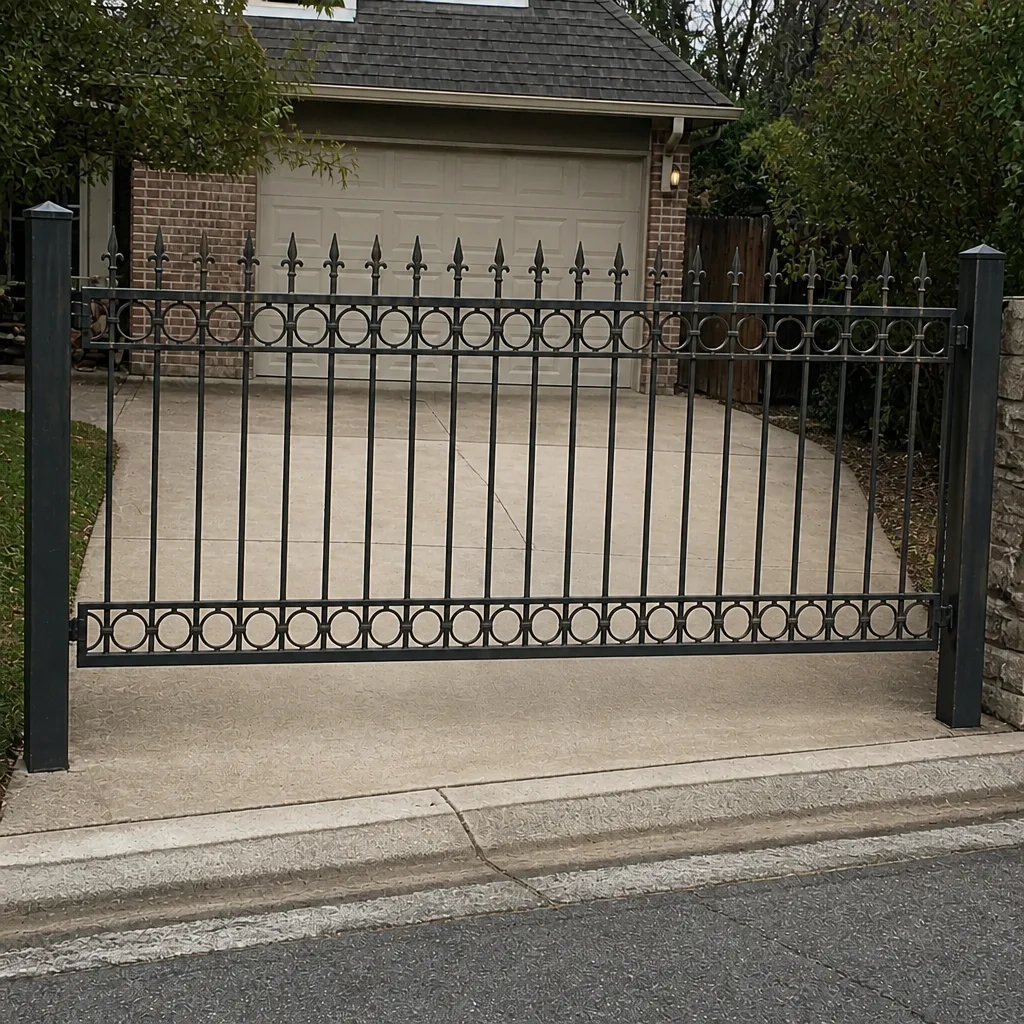 After
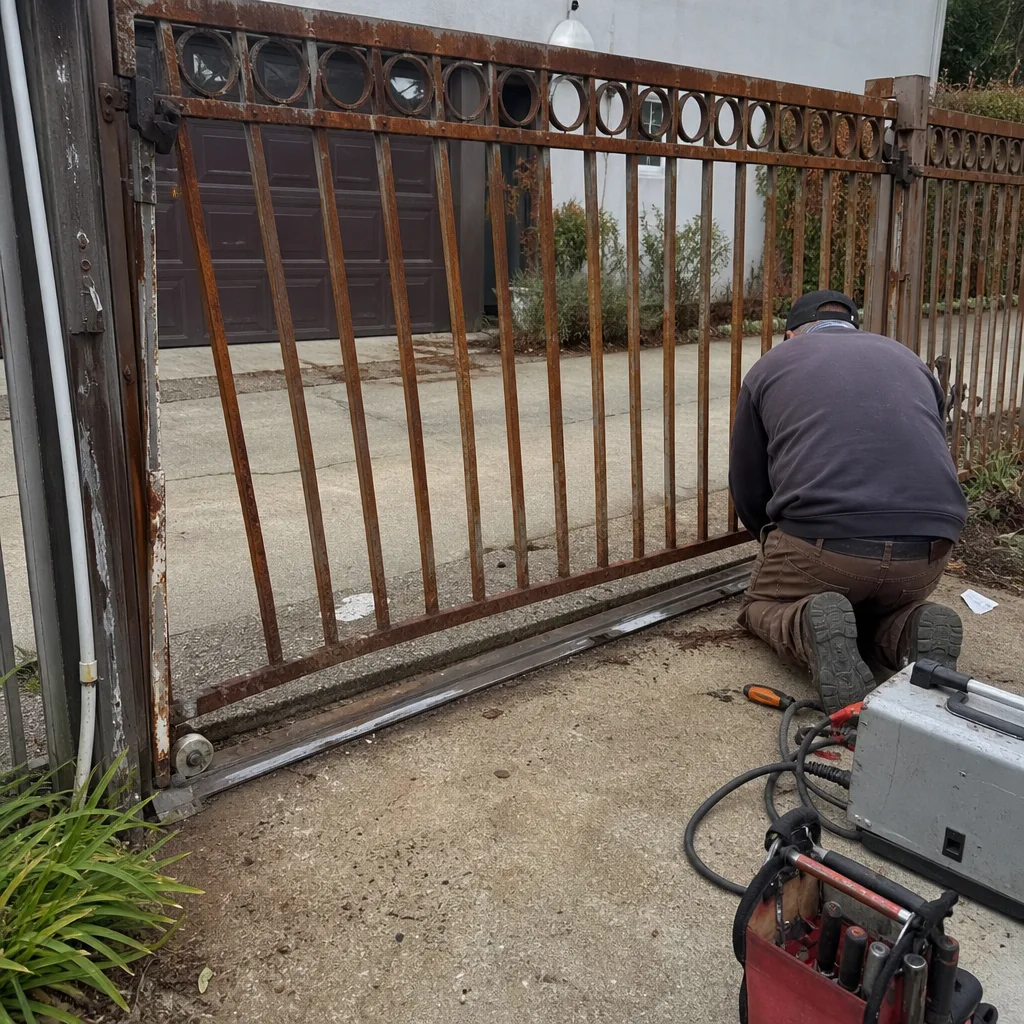 Before
 After
 Before
 After
When to Call a Professional
Call a gate specialist when your scope involves an operator replacement, a change in operator type, new electrical to the gate, a gate that’s been re-hung, entrapment protection that needs to be brought up to current standards, or an unpermitted installation you need to fix before a sale. Call us when you’re not sure which side of the repair/alteration line your job falls on, because a specialist who works on gates in Roseville daily can help you frame the question correctly and plan the work to avoid a permit problem. Gate Repair Roseville offers free estimates in Roseville – call (855) 431-0356. We answer 24/7, and fast dispatch from 7am to 7pm, Sunday through Friday. Our team works on LiftMaster, FAAC, BFT, Linear, Viking, Ghost Controls, DoorKing, Elite, and Mighty Mule systems, so whatever you already have, we diagnose it right. For a closer look at the trade, visit Gate Repair Roseville.
Frequently Asked Questions
It depends on what the replacement changes. A like-for-like operator replacement on an existing compliant gate may be treated as a repair, but replacing the operator, changing the operator type, or altering the gate structure usually requires a permit and a UL 325 entrapment protection review. Confirm the scope with the City of Roseville building department before work starts. Call (855) 431-0356 for a free estimate and scope review.
UL 325 is the safety standard for automated gate operators, and it requires entrapment protection that detects obstructions and stops or reverses the gate. When you replace an operator or alter a gate, the installation typically has to meet the current standard, which means photo-eyes and a monitored sensing edge. If your existing system isn’t compliant, the fix isn’t optional. Call (855) 431-0356 for an estimate on bringing it up to standard.
Manual gate repair generally does not need a permit. Installing a new manual gate, changing its structural supports, or altering its geometry may require a permit, especially if it’s on a commercial property or in an HOA. The safest step is to confirm the scope with the building department and your HOA before you start. Call (855) 431-0356 if you want a specialist to review the scope with you.
They’re separate building departments with different submittal expectations and inspection scheduling. A Roseville mailing address doesn’t guarantee Roseville city jurisdiction, so the first step is confirming authority. Commercial and HOA gate projects usually get more submittal scrutiny in all three jurisdictions, but the specifics differ. Call (855) 431-0356 for a free estimate and we’ll help you frame the permit question correctly.
Expect the issue to surface during the buyer’s inspection or your disclosure, and plan for a permit application, a current-code review, and possibly a UL 325 upgrade before closing. The cleanest path is to permit the installation correctly before the buyer asks. Call (855) 431-0356 for a free estimate so we can assess what needs to change and plan the fix.
In most Roseville HOAs, yes: architectural approval comes first, then the city permit. The city will typically ask for HOA approval on an association property, so getting it first avoids a permit revision later. Call (855) 431-0356 for a free estimate if you want help sequencing the approval and permit steps.
The Bottom Line
In Roseville, gate repair usually doesn’t require a permit, but operator replacement, gate alteration, and new electrical work frequently do. UL 325 entrapment protection follows the operator change, not the age of the gate, and an unpermitted installation can become a real problem at sale. Confirm jurisdiction (Roseville city or Placer County), get HOA approval before filing, use a licensed electrician for the circuit, and keep the final inspection record. A gate specialist who works Roseville regularly can keep you on the right side of all of it. We work on FAAC, BFT, Linear, and Viking systems alongside the rest of our supported brands, so whatever you have, we diagnose it right.
Call (855) 431-0356 for a free estimate. We answer 24/7, and fast dispatch from 7am to 7pm, Sunday through Friday.
Written by the team at Gate Repair Roseville.