
Last updated November 15, 2026
 Wrought iron
 Wood & steel frame
 Farm & ranch
 Sliding driveway gates
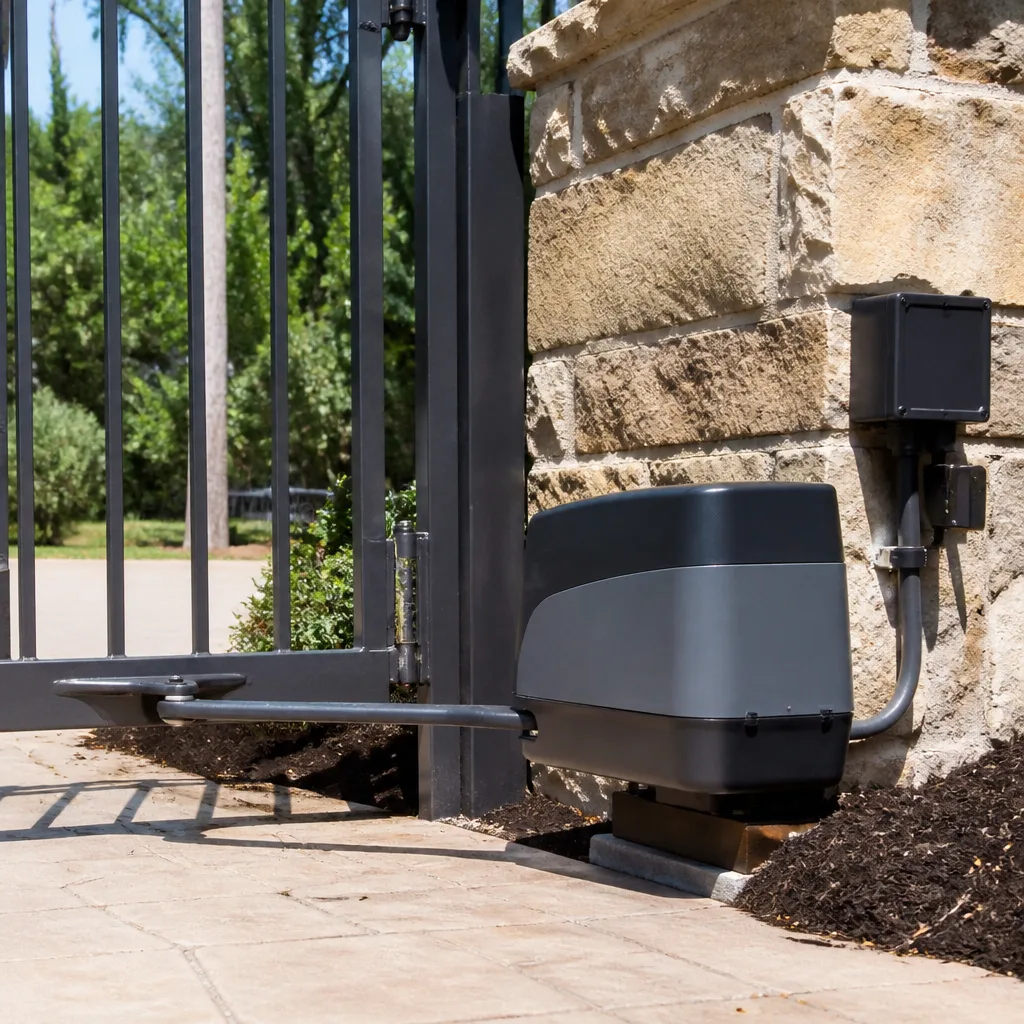 LiftMaster operators
Free on-site gate assessment - hinges, posts, and your LiftMaster or Nice gate operator checked before anything is quoted
The assessment is free and the quote is the invoice.
Get your free estimateGate Repair Maintenance Checklist for Roseville Homeowners
Here’s the counterintuitive part: the most common time to lubricate a gate in Roseville is the worst time to do it. By August, a thin film of summer lubricant has already cooked into a sticky varnish under 100°F heat, and that varnish grabs dust, pollen and grit instead of shedding them. What follows is a 12-month checklist built around what this valley’s weather actually does to hinges, striker plates, battery terminals and photocells, not a generic spring-and-fall template copied from a national site. You’ll learn which tasks you can safely own, which ones void a warranty if you touch them, and when a rough gate is telling you to call.
Quick Answer
A gate maintenance checklist for Roseville should follow the local heat-and-dry-season rhythm: inspect and lubricate hardware in spring and fall when temperatures are moderate, test the force-reversal and photocell safety systems every month through summer, and clean battery terminals and ground connections before the first wet weather arrives. Most of the routine checks take 15 minutes and belong to the homeowner; spring tension, operator wiring, and control board work belong to a trained gate technician.
Styles & brands we work with
- Wrought iron
- Wood & steel frame
- Farm & ranch
- Sliding driveway gates
- LiftMaster operators
Table of Contents
- Why a Roseville Gate Checklist Looks Different
- Summer Heat, Photocells, and What to Check Before You Call
- The Hardware That Corrodes Fastest in Roseville
- Month-by-Month Checklist for Sacramento Valley Weather
- How to Test Force Reversal Yourself
- Which Tasks You Can Own and Which Void Warranties
- Brand-Specific Care Notes
- Avoiding the Seasonal Traps
Why a Roseville Gate Checklist Looks Different
Roseville sits in the Sacramento Valley, where summers push past 100°F and the rainy season arrives in a concentrated stretch of winter months. That swing does specific things to gate hardware. Metal expands and contracts more across a Roseville year than in a coastal climate with steady temperatures, which works fasteners loose and nudges alignment out of spec. Lubricants that would stay put in a cooler region thin out and migrate in July, then thicken as the first cool nights arrive.
Dry-season dust is the other half of the story. In Roseville, fine soil and pollen settle on exposed rollers, hinges and tracks through the summer and get worked into any tacky surface. A gate that ran smoothly in May can feel heavy by September even when nothing is broken. The fix usually isn’t a part, it’s cleaning and re-lubricating at the right time with the right product.
The rainy months bring the opposite pressure. Water finds the lowest points on a gate system: ground terminals, battery backup connections, the underside of a control box. Once moisture sits on a terminal, corrosion starts quietly and shows up later as a gate that won’t open on a cold morning. Checking those points in fall, before the first real rain, prevents most of that.
In our experience, gates across Roseville fail in predictable patterns tied to this cycle. A homeowner who works with the local rhythm instead of against it spends less on repairs and gets more years from an operator, whether it’s a Roseville driveway gate on a LiftMaster arm or a commercial slide gate on a DoorKing controller.
Summer Heat, Photocells, and What to Check Before You Call
Photocells misalign more in Roseville summers than at any other time of year. The reason is thermal: brackets, posts and the housings that hold the safety sensors all move slightly as temperatures climb, and a sensor that was perfectly aimed in April can drift a few degrees out of line by July. When the beam breaks, the gate stops or reverses, and the homeowner assumes the operator has failed when nothing is actually wrong with it.
Before you call for a service visit, run these checks:
- Look at both photocell lenses. If one has a small LED that isn’t lit or is flickering, the beam is interrupted.
- Wipe both lenses with a dry microfiber cloth. Summer dust alone can cause enough scatter to break the beam.
- Check that nothing has grown, shifted or been parked in the path between the sensors – a trash can, a landscape rock, a sagging branch.
- Look for a visible misalignment. The two sensors should face each other squarely; if one has clearly rotated, that’s your culprit.
- Note whether the fault happens only in the heat of the afternoon and clears by evening. That pattern points to thermal drift, not a dead sensor.
If the lenses are clean, the path is clear and the gate still stops, leave the sensors alone and call a gate technician. Re-aiming photocells isn’t hard, but getting them right requires understanding how the operator reads them, and a sensor aimed by eye can pass a hand test and still trip on a car bumper. We work on photocell and safety-edge faults on every system we service, and we can usually tell from the symptoms whether it’s aiming, wiring or a failing sensor module.
The Hardware That Corrodes Fastest in Roseville
Roseville’s dry-wet swing targets specific hardware points. These are the spots we check first on any maintenance visit, and the ones a homeowner can monitor between visits:
- Striker plates. The plate the latch or lock engages takes impact every cycle and holds moisture in its mounting screws after rain. Look for rust streaks and a widening gap between plate and post.
- Ground terminals. The connection where the operator’s ground wire meets the earth is the single most overlooked corrosion point on any electric gate. It’s low, it’s wet, and it fails silently.
- Battery backup terminals. Backup batteries sit in a box that traps heat. Terminal corrosion here shows up as a gate that works fine on line power but won’t run during an outage.
- Hinge pins and roller axles. These collect grit through the dry season, then hold moisture in winter. They’re the first parts to seize.
- Control box gaskets and seals. A dried gasket lets water into the enclosure, which is where board-level corrosion begins.
In our experience, a battery terminal that’s been cleaned and protected in October is the difference between a gate that carries on through a winter outage and a call to electric gate repair in January. It’s a five-minute check with a wire brush and the right terminal protectant. If you see white or green crust on a terminal, don’t ignore it.
Month-by-Month Checklist for Sacramento Valley Weather
This schedule follows Roseville’s actual weather rather than the calendar seasons printed on national maintenance guides. Adjust the exact weeks to what the forecast is doing, but keep the order.
Late Winter and Early Spring (February to April)
- Clean and lubricate hinges, roller axles and the gate track with a dry-film or lithium lubricant, not a wet spray.
- Check every bolt and anchor on the gate frame and posts. Cool-season contraction can leave fasteners loose.
- Inspect the operator’s manual release and confirm it disengages and re-engages smoothly.
- Test the force-reversal system with a solid object in the path.
Late Spring, Before the Heat (May to June)
- Clean photocell lenses and confirm alignment while temperatures are moderate – this is your baseline for the summer.
- Clear the gate’s full swing or slide path of vegetation and debris.
- Check control box seals and gaskets before the dry heat dries them further.
- Photograph the photocell positions so you can spot drift later.
Peak Heat (July to September)
- Test force reversal and photocells monthly. Heat is when these fail.
- Do not apply wet lubricant in peak heat. If hardware squeals, use a dry lubricant.
- Check the operator’s motor housing for excessive heat buildup and listen for new sounds.
- Clear dust and pollen from all exposed moving parts with a dry brush.
Fall, Before the Rains (October to November)
- Clean and protect the battery backup terminals and the ground terminal.
- Re-lubricate all moving hardware with a moisture-resistant product before the first rain.
- Inspect striker plates and latches for rust and adjust the gap if it’s widened.
- Confirm the control enclosure drains and seals properly.
Winter (December to January)
- Test the manual release and run the gate by hand to feel for binding.
- Check for water pooling anywhere in the gate’s path or around the operator footing.
- Run a full open-close-open cycle and listen for changes.
How to Test Force Reversal Yourself
Force reversal is the safety mechanism that makes an automated gate stop and reverse when it meets an obstacle. If it fails, the gate keeps pushing. That’s the single most serious maintenance failure a homeowner can overlook, so test it monthly.
- Stand clear of the gate’s path and put a solid object – a piece of lumber or a heavy box – in the way of the gate.
- Command the gate to close and watch. A working system stops and reverses when it contacts the object.
- Repeat on the open cycle.
- If the gate pushes the object, stalls against it, or doesn’t reverse, stop using the automatic function. Use the manual release until a technician inspects it.
A failed test is not just a repair item. It’s an operating liability. An automated gate that doesn’t reverse can injure a person or damage a vehicle, and documented monthly testing is the kind of record that matters if something ever goes wrong. If your test fails, call a gate technician the same day. Don’t adjust the operator’s force settings yourself to “fix” it – raising the force limit to make a stiff gate move is the exact opposite of a fix.
Which Tasks You Can Own and Which Void Warranties
Most gate and operator manufacturers write their warranties around work performed by trained professionals. Some tasks are safe for a homeowner to do; others can quietly end your coverage.
Safe for you to own:
- Cleaning and lubricating hinges, rollers and tracks on a manual gate
- Cleaning photocell lenses and clearing the travel path
- Checking fasteners and visual inspection of striker plates
- Photographing and recording the system’s condition over time
Tasks to leave to a technician:
- Opening the operator housing or control box
- Splicing or re-terminating any wiring
- Adjusting force, speed or limit settings in the operator
- Replacing a photocell, safety edge or control board
- Any work on a slide gate that could come off its track
The wiring and power side of an electric gate is genuinely dangerous, and a homeowner who opens a live control enclosure risks a shock and can void the warranty on the whole system in one move. Heavy gate panels and slide gates carry crushing risk too. If a task involves the operator or the wiring, that’s professional work, full stop. We see the fallout from a botched DIY attempt regularly, and it’s always more expensive than the original repair would have been. If you’re unsure which side of the line a task falls on, ask before you touch it and we’ll tell you plainly.
Brand-Specific Care Notes
Different operators fail in different ways, and knowing the brand tells a technician where to look first. We work on LiftMaster, FAAC, BFT, Linear, Viking, Ghost Controls, DoorKing, Elite and Mighty Mule systems, and each has its own quirks.
LiftMaster operators are common on Roseville residential driveways. Their photocell alignment matters as much as any brand’s, and the summer drift described above shows up there first. DoorKing is most often found on commercial and HOA gates, where an access-control fault splits into two questions – is it the operator, or is it the receiver and keypad? Elite sits in between, on systems where the control board and the motor assembly need to be checked separately.
Mighty Mule units are popular on rural and semi-rural properties, and their battery and solar-charged power side needs particular attention going into winter. FAAC and BFT systems reward clean, dry control enclosures, especially near the coast-style humidity Roseville occasionally gets in winter. Linear, Viking and Ghost Controls each have their own maintenance quirks that a technician familiar with the brand recognizes instantly.
We take a brand-neutral approach. We work with whatever system you already have and find the right fix for it, rather than steering you toward a proprietary brand. That’s the value of a gate repair specialist who works across the full spread of these nine brands rather than a general fence or garage-door company that treats gates as an add-on.
Avoiding the Seasonal Traps
The two biggest seasonal errors in Roseville are lubricating at the wrong time and testing the wrong systems at the wrong time.
Lubricating in August, when the old film is baked on, traps grit and accelerates wear. The right window is late winter and fall, when temperatures are moderate and the surface can actually accept a clean film. Strip and re-lubricate, don’t just add more product on top.
Testing photocells only in cool weather is the other trap. Photocells fail in the heat. A system that passes in April may not pass in July, so the testing has to happen monthly through the summer. Pair that with the fall terminal check, and you’ve covered both ends of the year – the dry-season overheating and the wet-season corrosion that cause most Roseville gate failures.
The third trap is scheduling maintenance for convenience instead of for the weather. If you clean terminals after the first big rain, you’ve already lost the season’s corrosion protection. The checklist works because it’s ordered to the local calendar, and cutting that order costs you.
Common Mistakes to Avoid
- Lubricating in peak summer heat. The old film has already turned to varnish by August; adding more product traps grit instead of shedding it. Wait for cooler weather and strip the old film first.
- Raising the force setting to make a stiff gate move. This masks the real problem and defeats the safety reversal. It’s the most dangerous shortcut a homeowner can take.
- Skipping the photocell test because it passed in April. Roseville summers move brackets and posts; the test needs to run monthly through the heat.
- Ignoring battery backup terminals until the first outage. Corroded terminals work fine on line power and fail the day the power goes out. Clean them in fall, every year.
- Using the manual release without re-engaging the operator correctly. A release left half-engaged leaves the gate running in manual when you think it’s automatic.
- Cleaning only the visible hinges and ignoring the ground terminal and control box seals. The low, hidden points are where corrosion starts.
- Assuming a gate that opens and closes is fine. A gate can run smoothly for months with a misaligned photocell or a failing reversal that only shows up under load.
See the difference
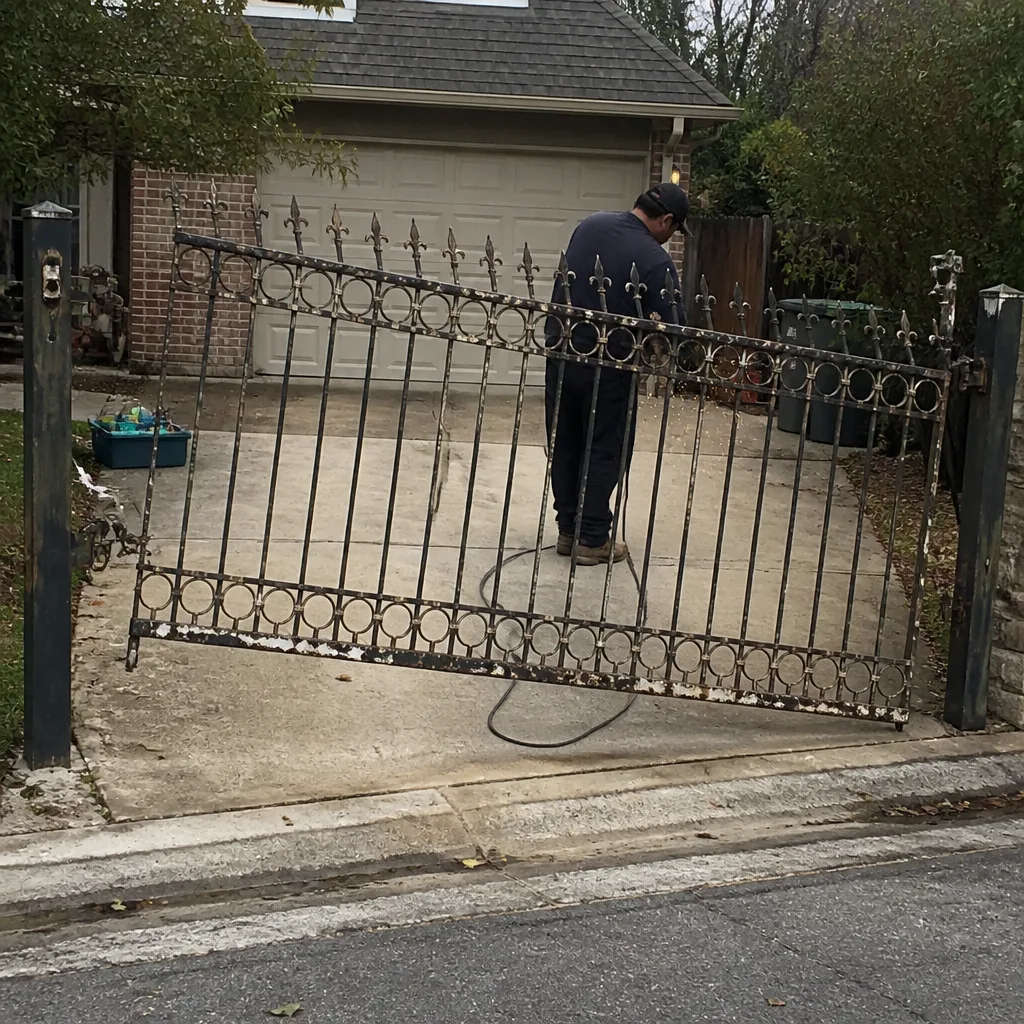 Before
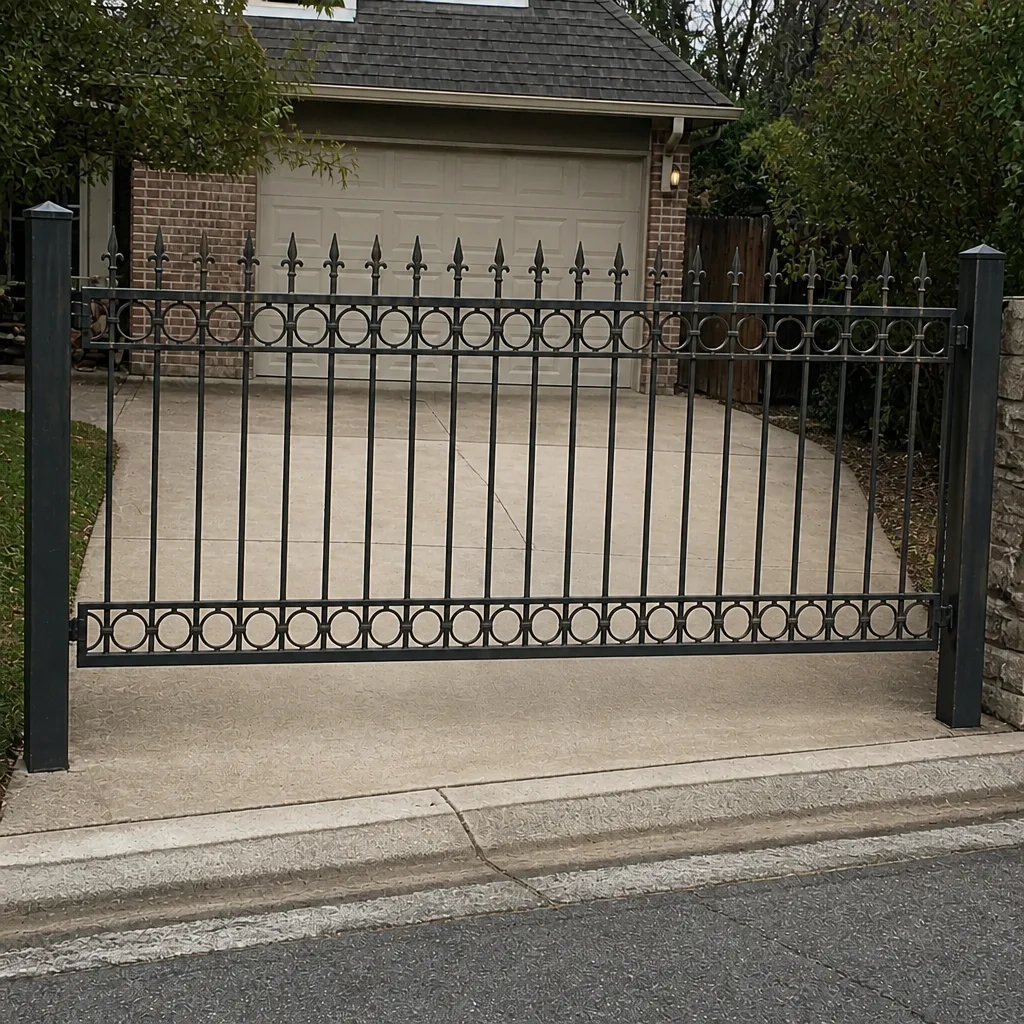 After
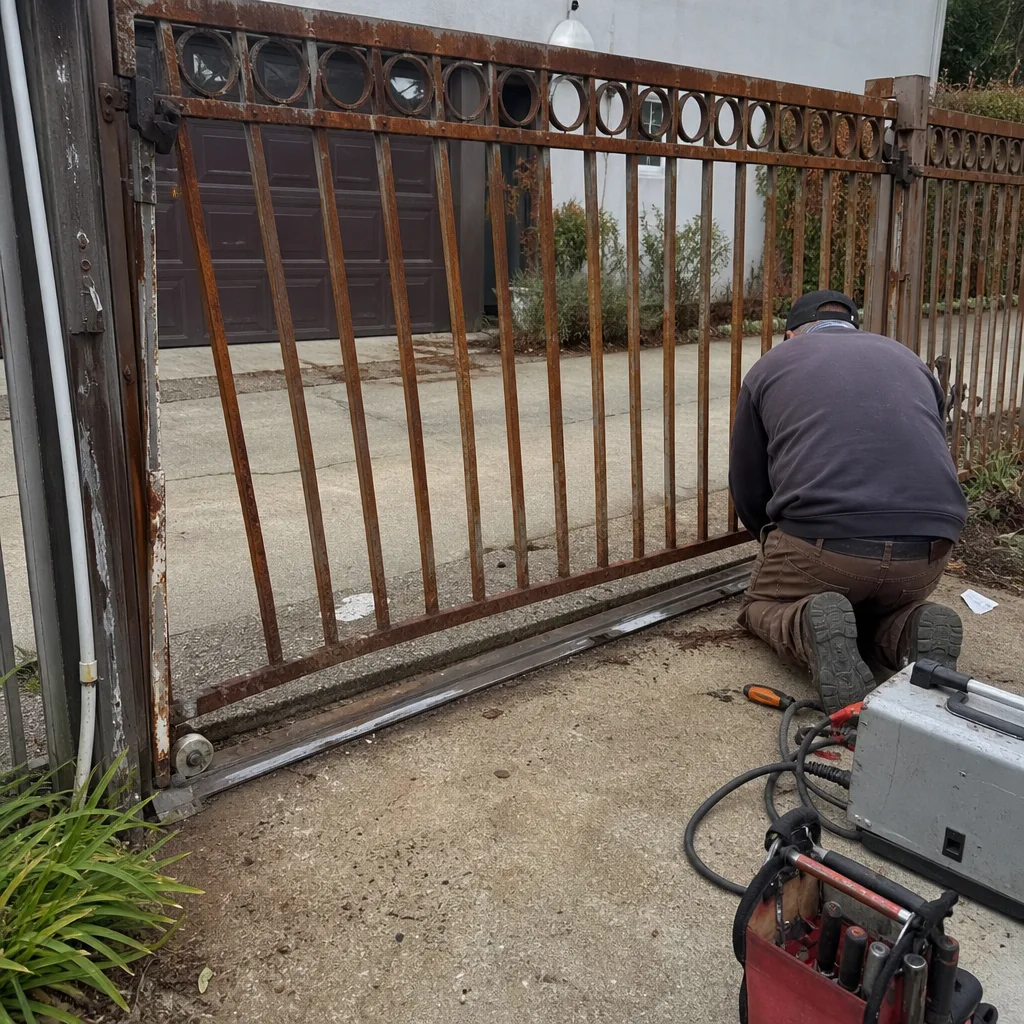 Before
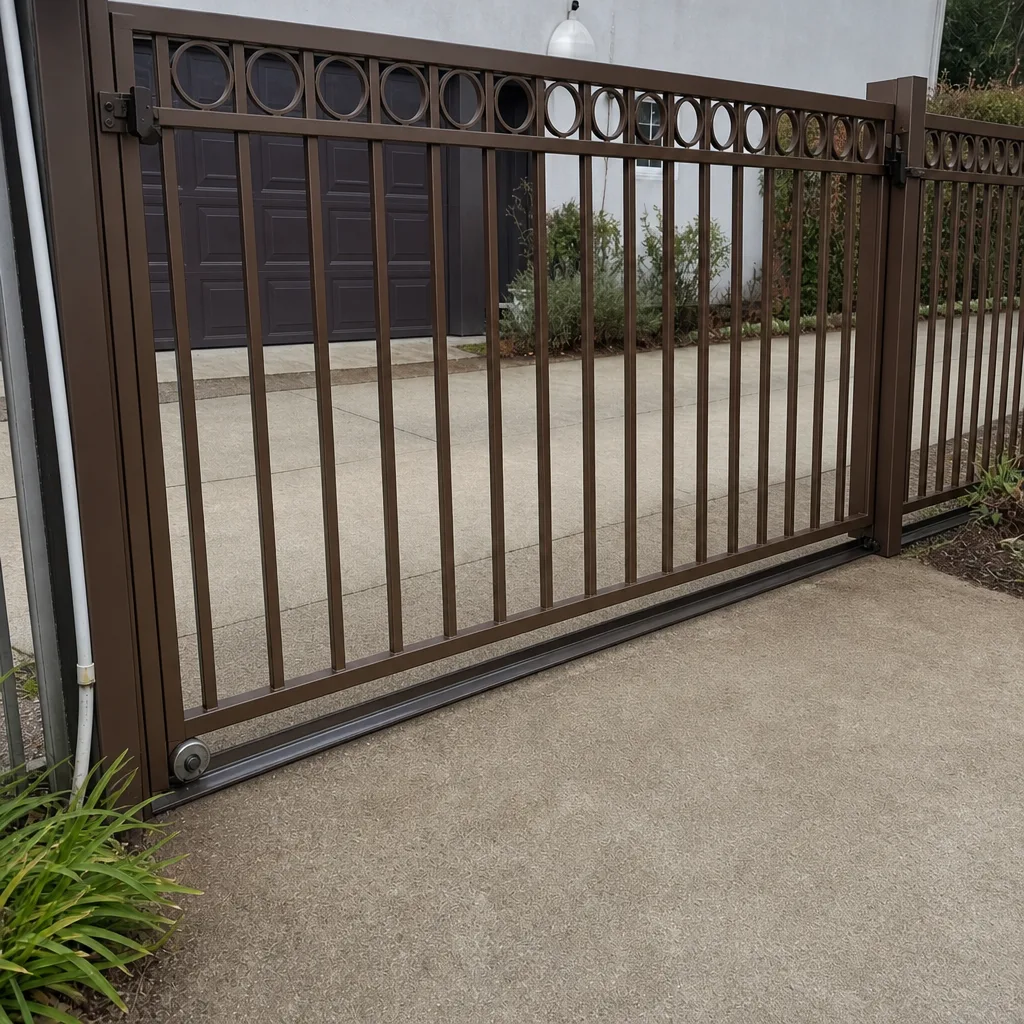 After
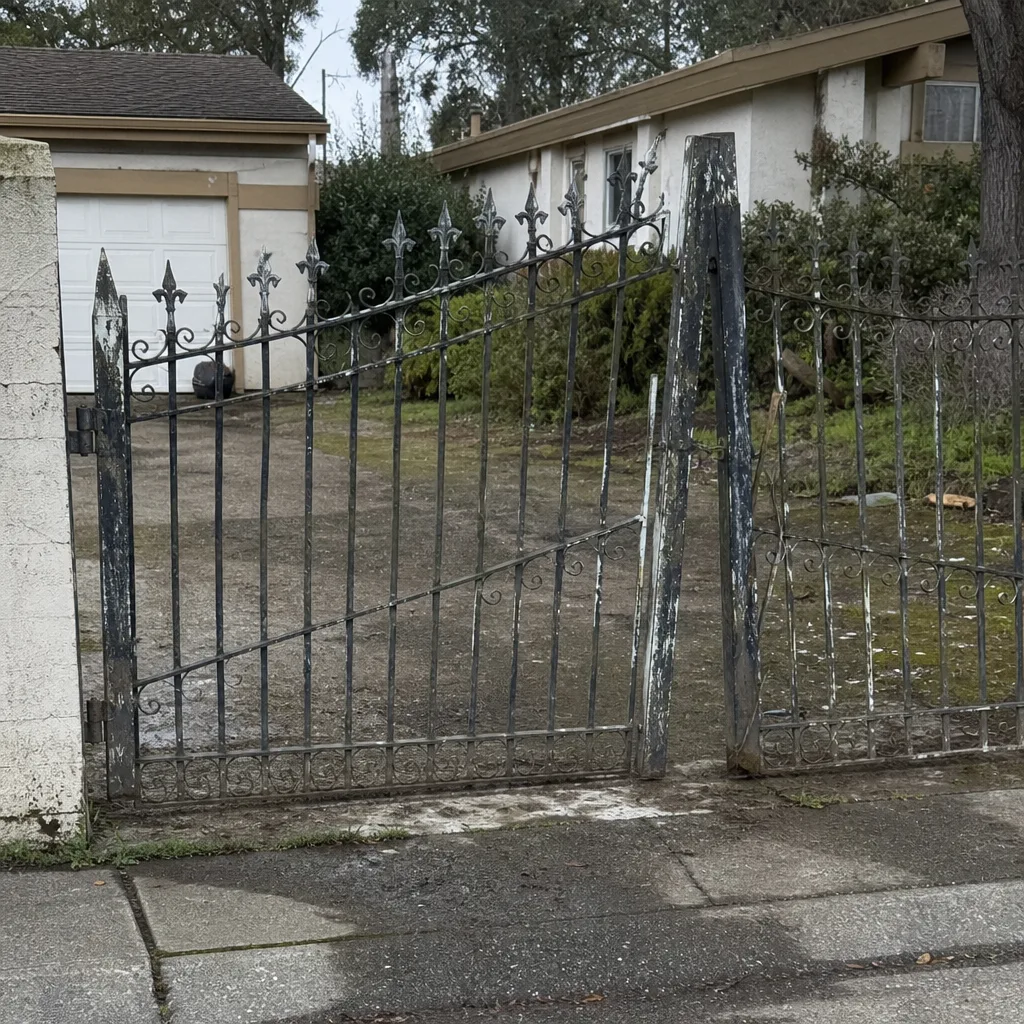 Before
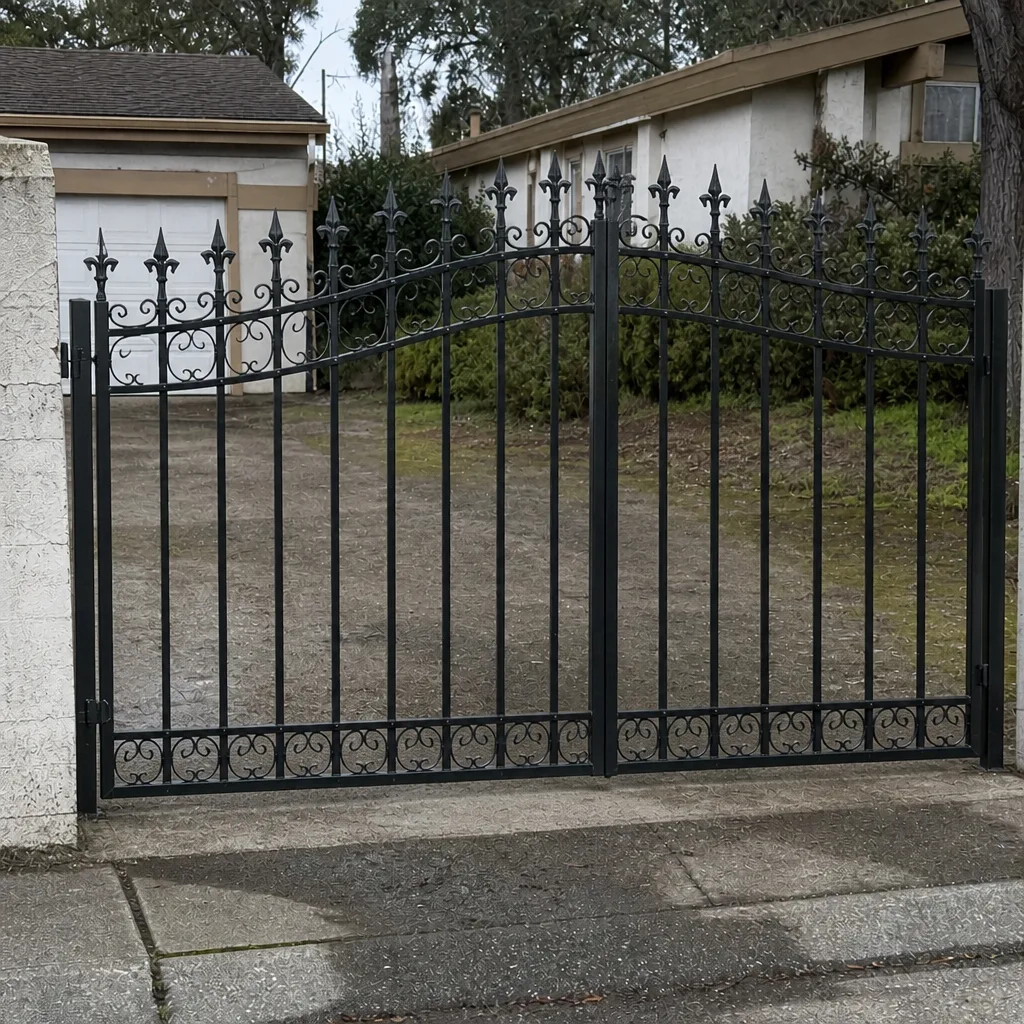 After
When to Call a Professional
Call a gate technician when a force-reversal test fails, when a photocell won’t realign after cleaning and clearing, when a gate binds or stalls through its path, or when the operator makes new noises that weren’t there a season ago. Call if the control box has been wet, if a slide gate has drifted off its track, if the manual release won’t engage, or if the battery backup has failed during an outage. Call before you start cutting, splicing or adjusting operator settings on a wired system – the electrical side is genuinely dangerous. Gate Repair Roseville offers free estimates in Roseville – call (855) 431-0356. Our technicians have up to 15 years of experience, and we diagnose by brand-specific logic across all nine major gate brands. Call (855) 431-0356. We answer 24/7. Fast dispatch from 7am to 7pm, Sunday through Friday.
Frequently Asked Questions
Run a quick visual check monthly, a full lubricate-and-tighten in late winter and fall, and a monthly safe-reversal test through the summer heat. Roseville’s temperature swing makes frequency matter more than in a mild coastal climate, so the seasonal schedule in this guide is a better baseline than a generic annual tune-up.
That pattern points to thermal drift in the photocells, where summer heat moves the brackets and sensors slightly out of alignment. Clean both lenses first; if the fault persists only during the hottest hours, the sensors need re-aiming, and that’s a call to a technician. Call (855) 431-0356 for an exact quote – estimates are free.
Yes. Place a heavy object in the gate’s path and command the gate to close. A working system stops and reverses on contact. Test both directions, and if the gate pushes the object or stalls, stop using the automatic function and call a technician.
LiftMaster and DoorKing show up most on residential driveways and HOA or commercial gates respectively, with Mighty Mule on rural properties. We work on all of them – LiftMaster, FAAC, BFT, Linear, Viking, Ghost Controls, DoorKing, Elite and Mighty Mule – and we don’t push one brand over another.
It can, if you add wet lubricant on top of baked-on residue. The old film has already varnished and holds grit; adding more traps it against the metal. Strip the old film in cooler weather and reapply a dry or lithium product instead.
Call the same number. We answer 24/7, and a call outside our dispatch hours is booked into the next opening, Sunday through Friday, 7am to 7pm. We’re closed Saturdays, but you can still reach us by phone.
The Bottom Line
A gate maintenance checklist for Roseville works only when it’s built around this valley’s heat and dry-wet swing, not a national template. Lubricate in spring and fall, test force reversal and photocells monthly through summer, and clean battery and ground terminals before the rains. Own the cleaning and visual checks; leave the wiring, operator settings and safety adjustments to a trained gate technician. Do that, and most gate failures become something you catch on a checklist instead of a call you make in a hurry. When you need a specialist, Gate Repair Roseville handles repair, electric gate repair and new gate installation across all nine major brands – call (855) 431-0356 for a free estimate.
Written by the team at Gate Repair Roseville.